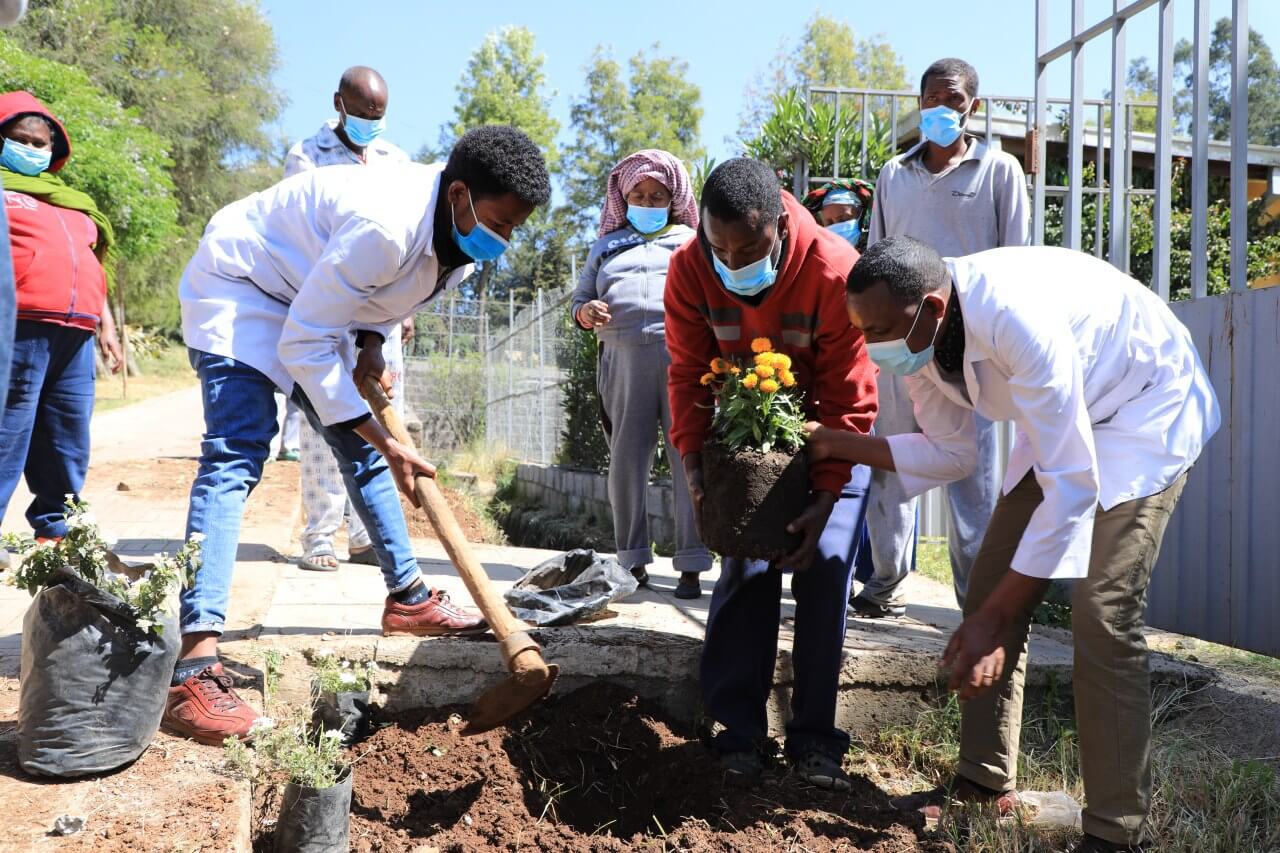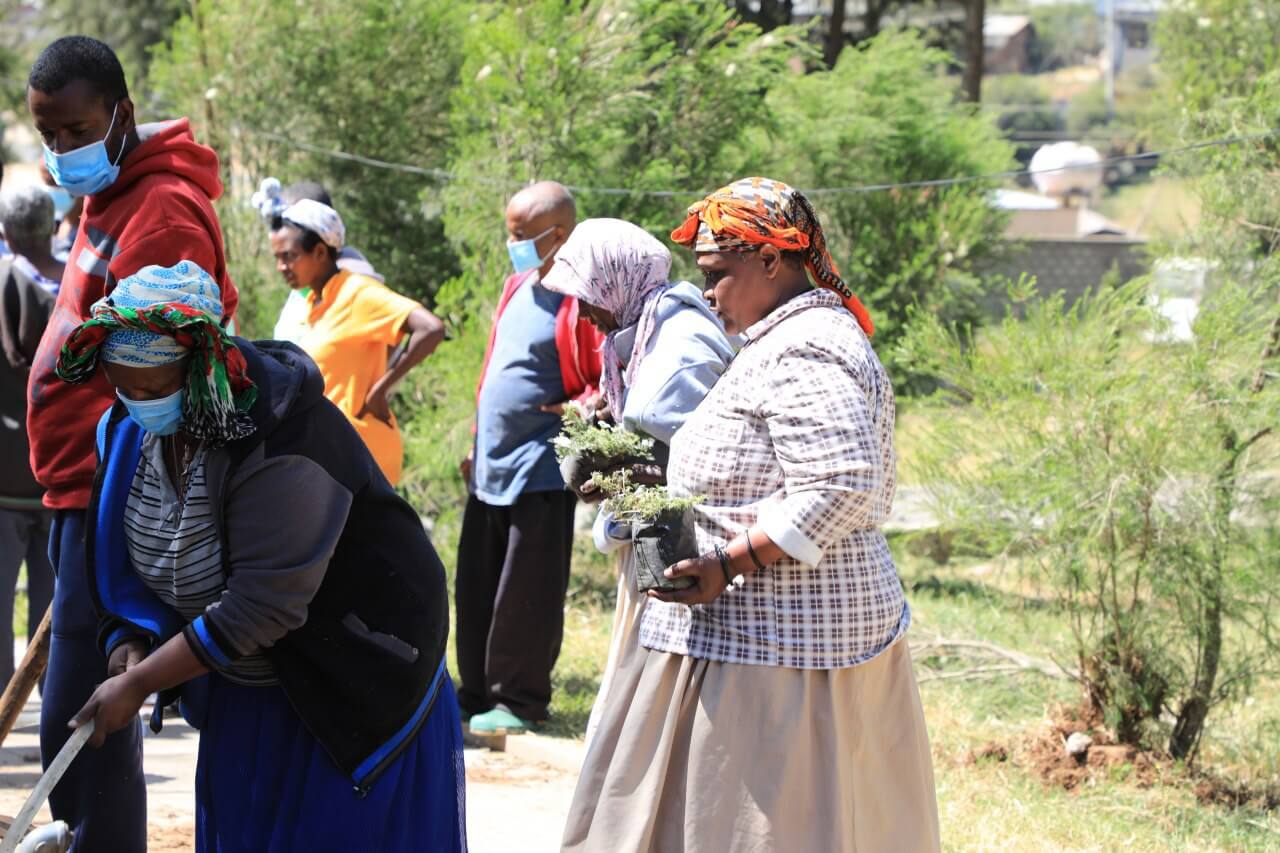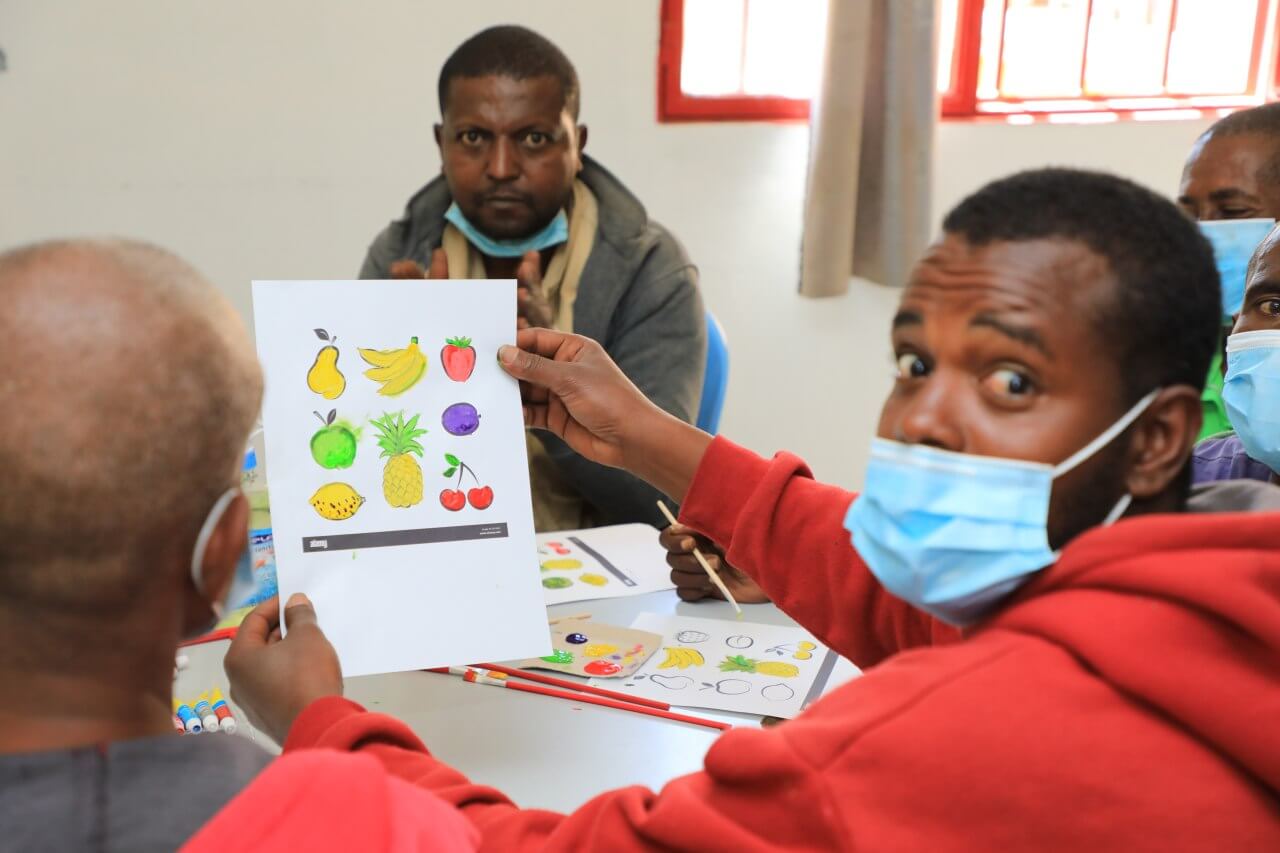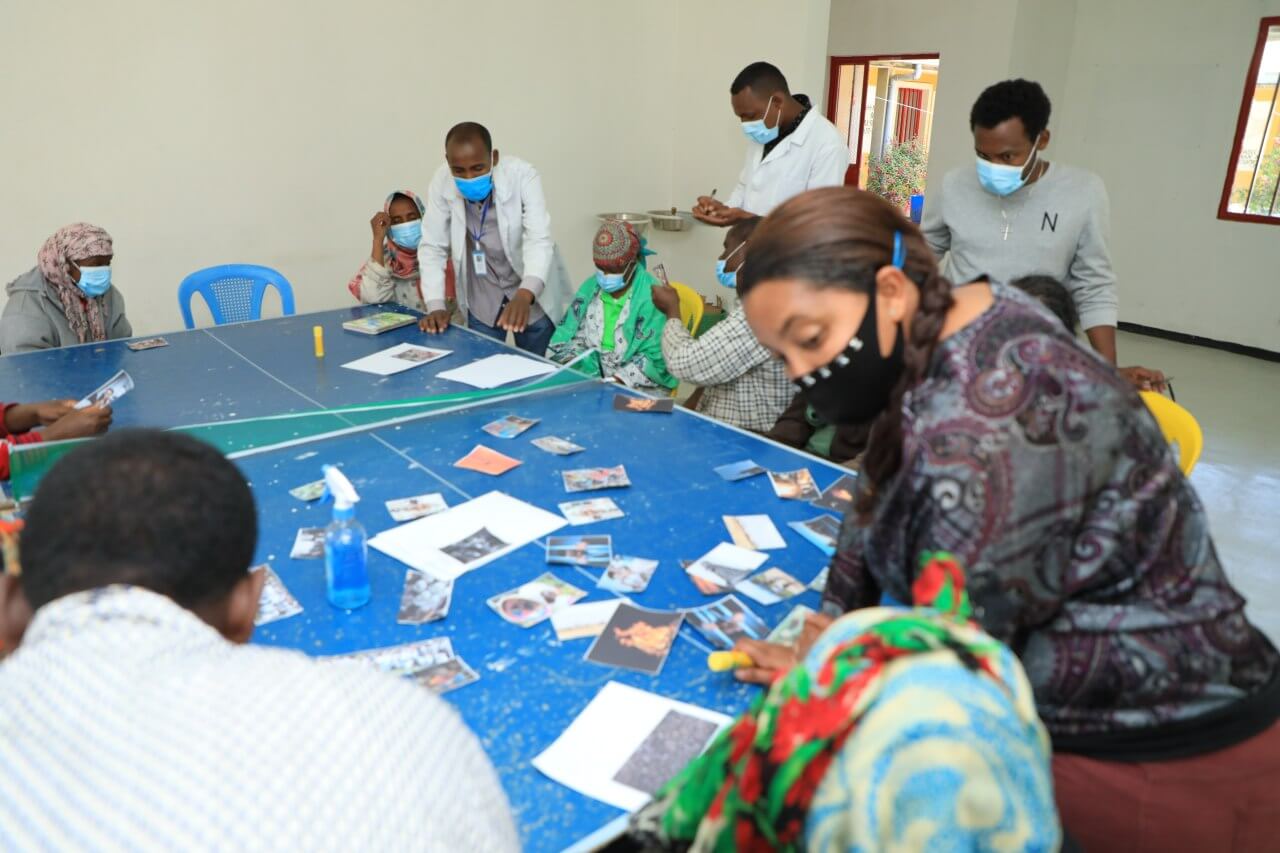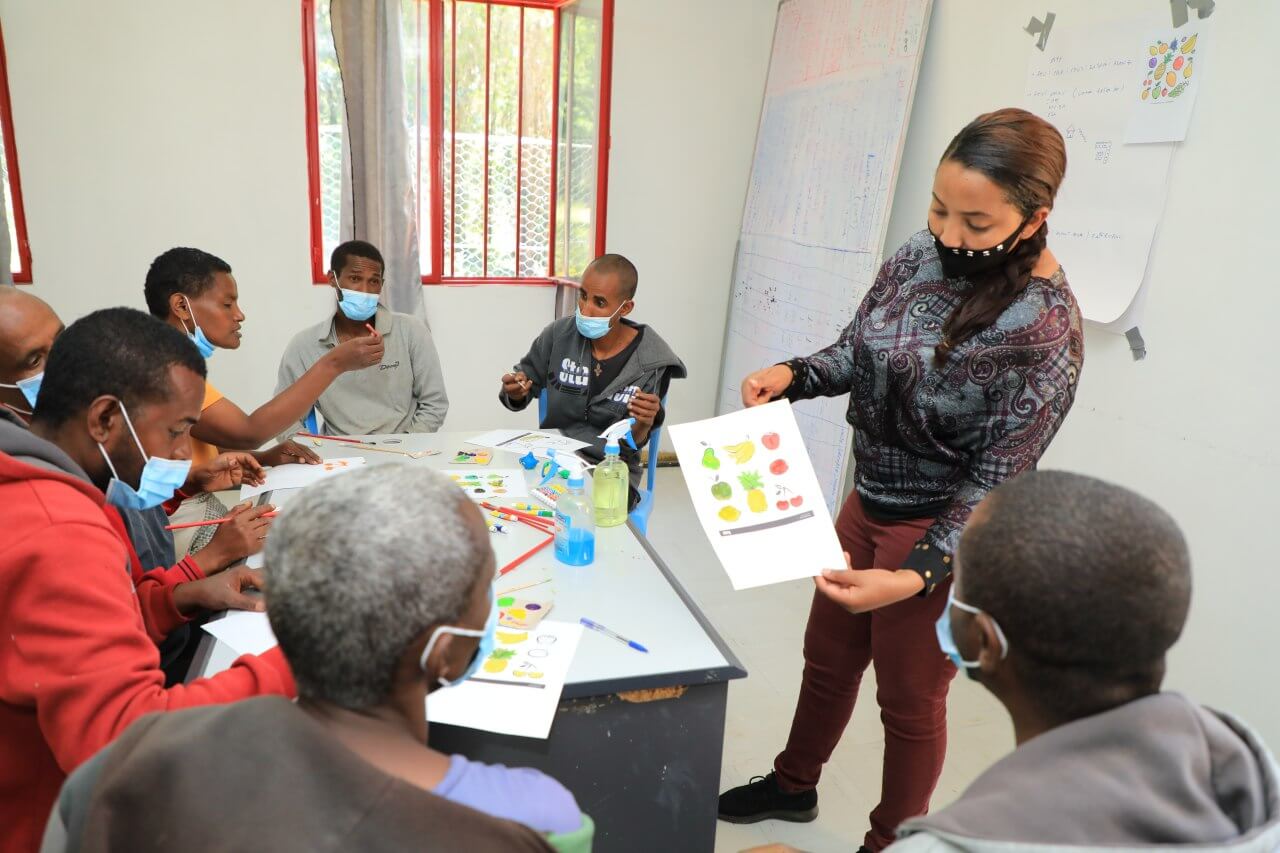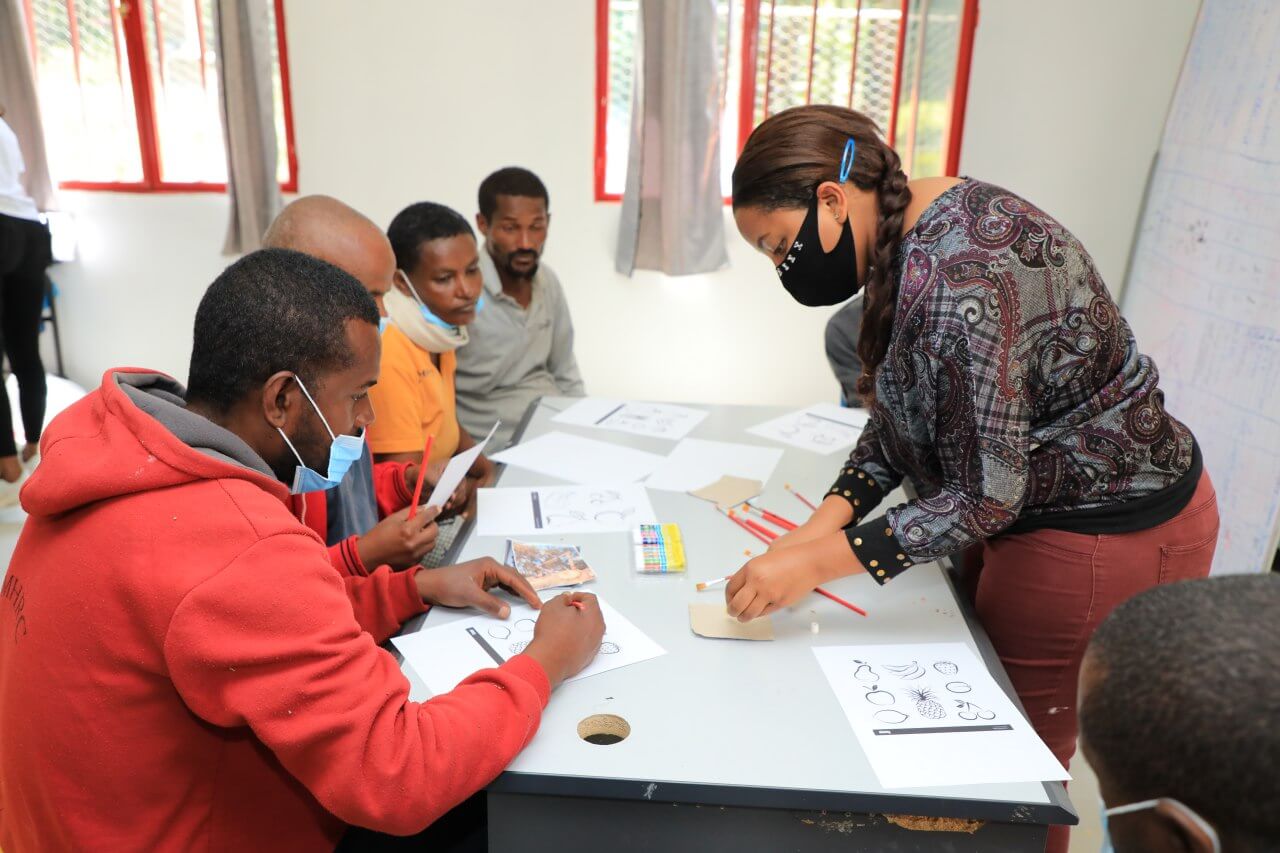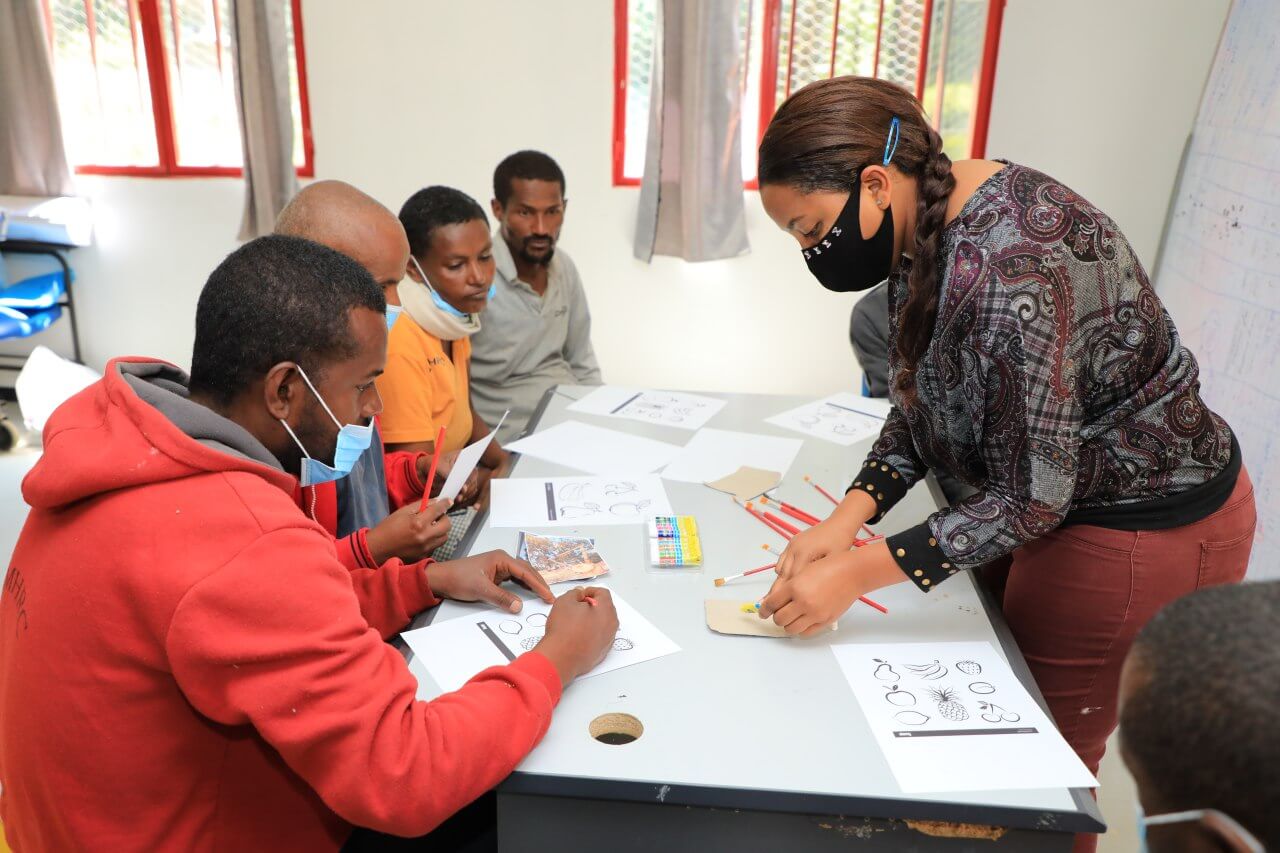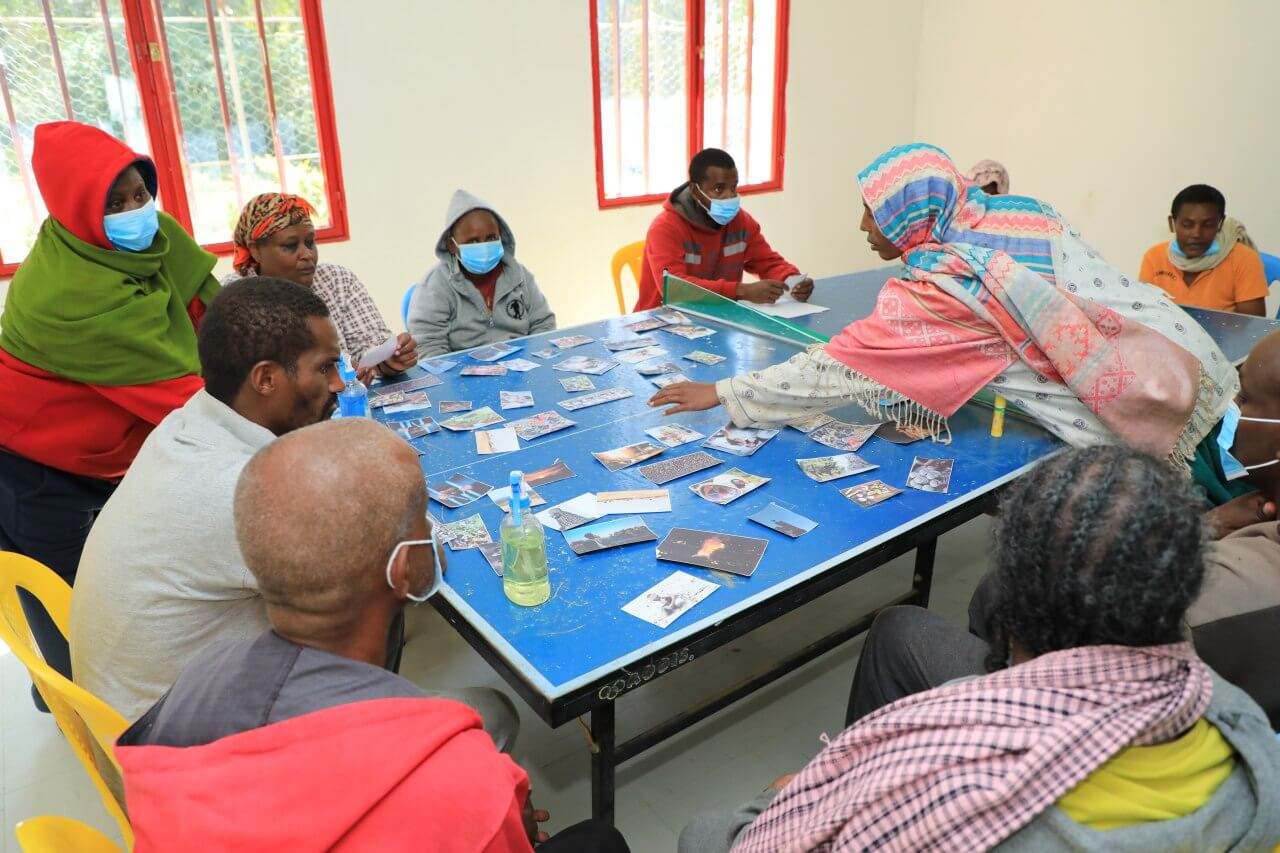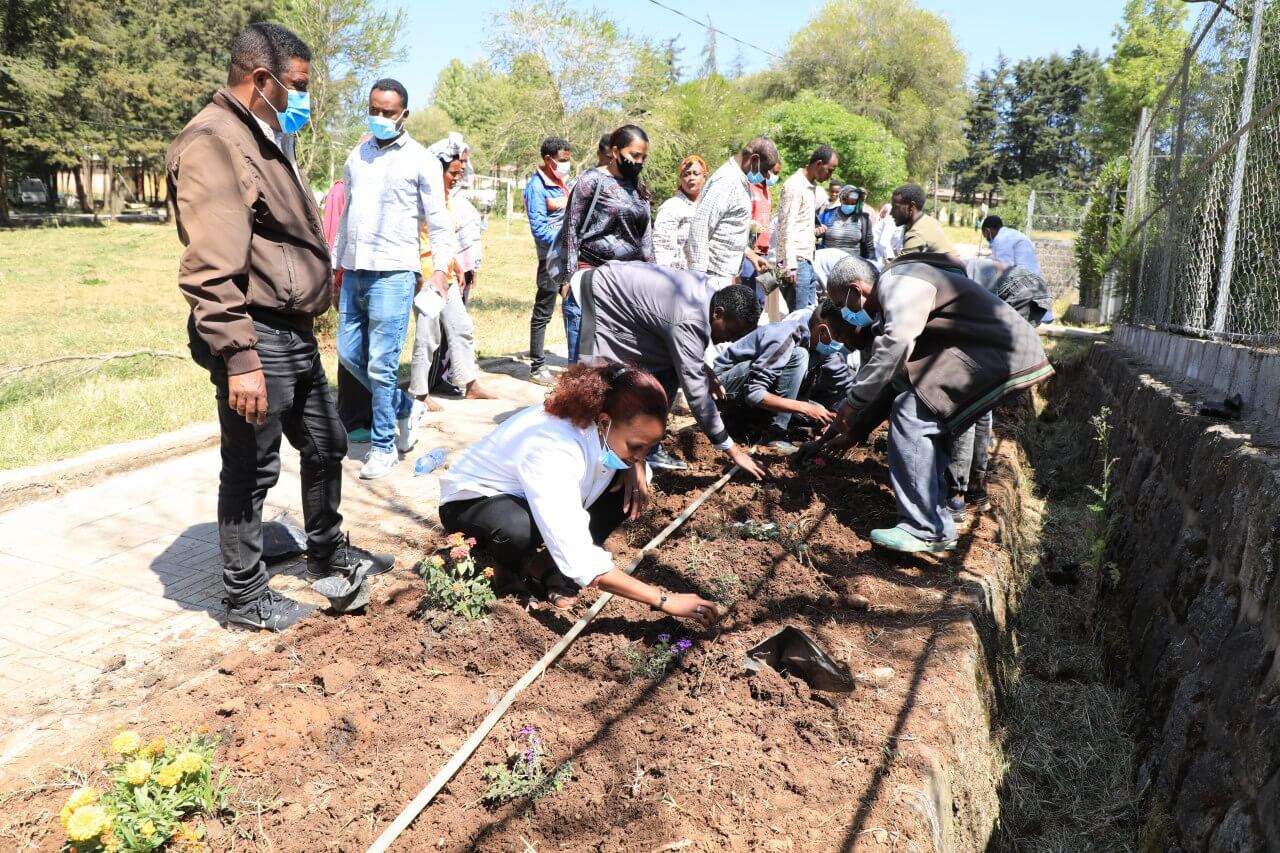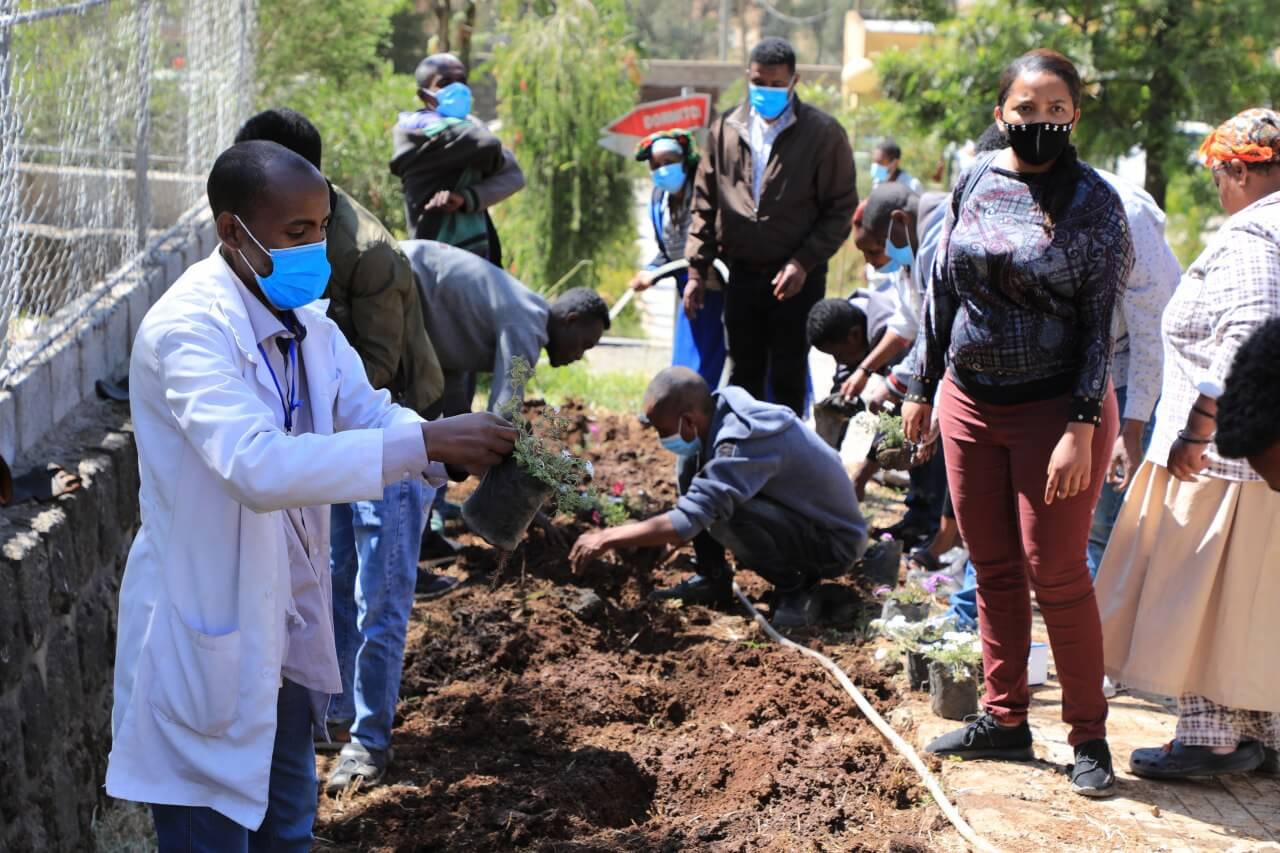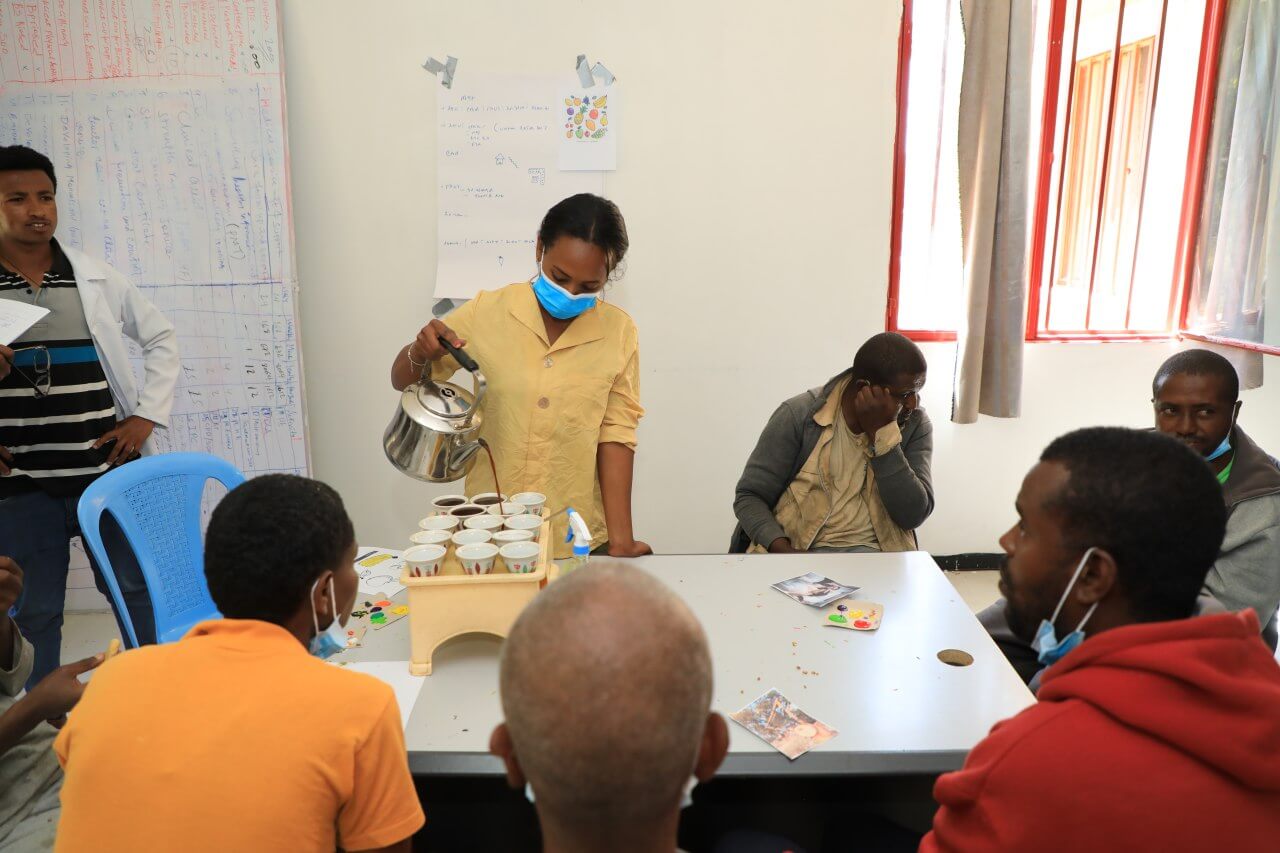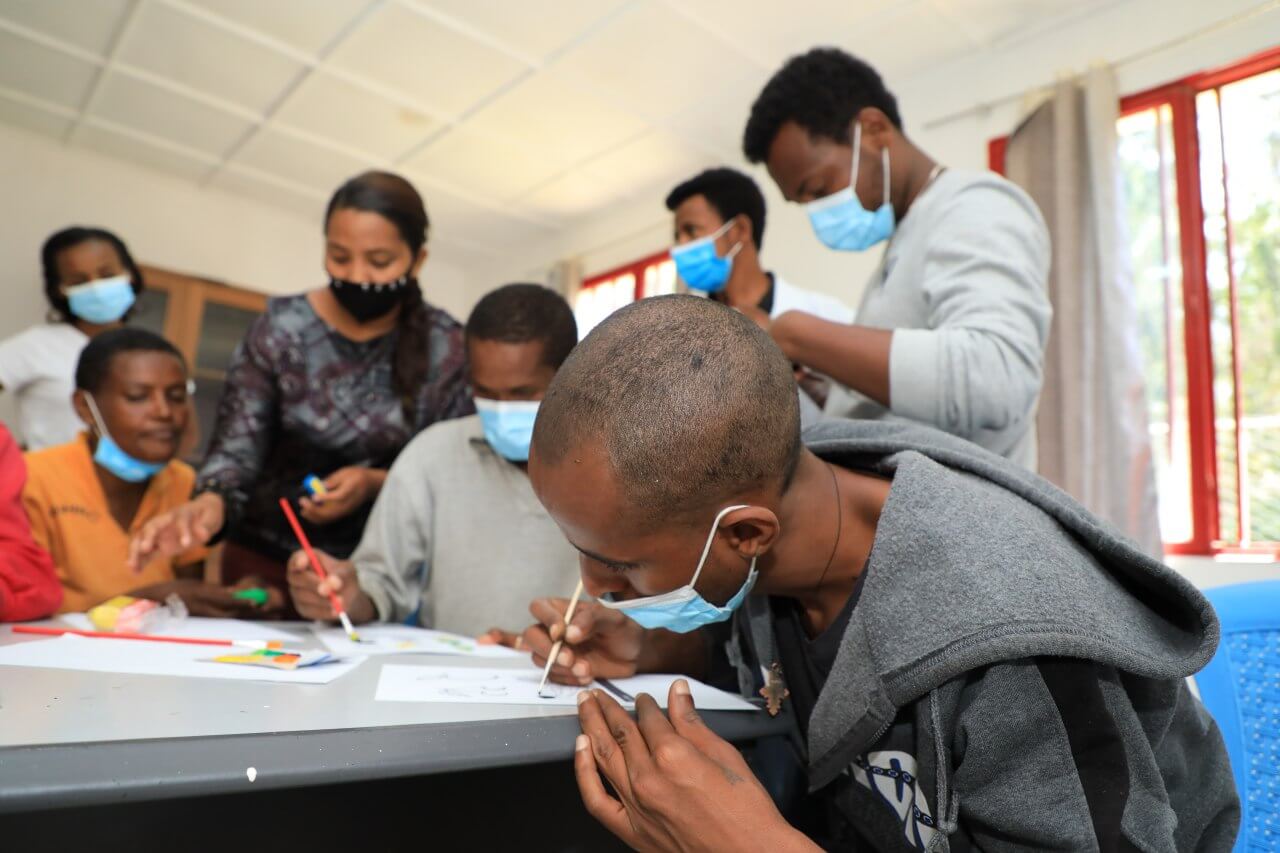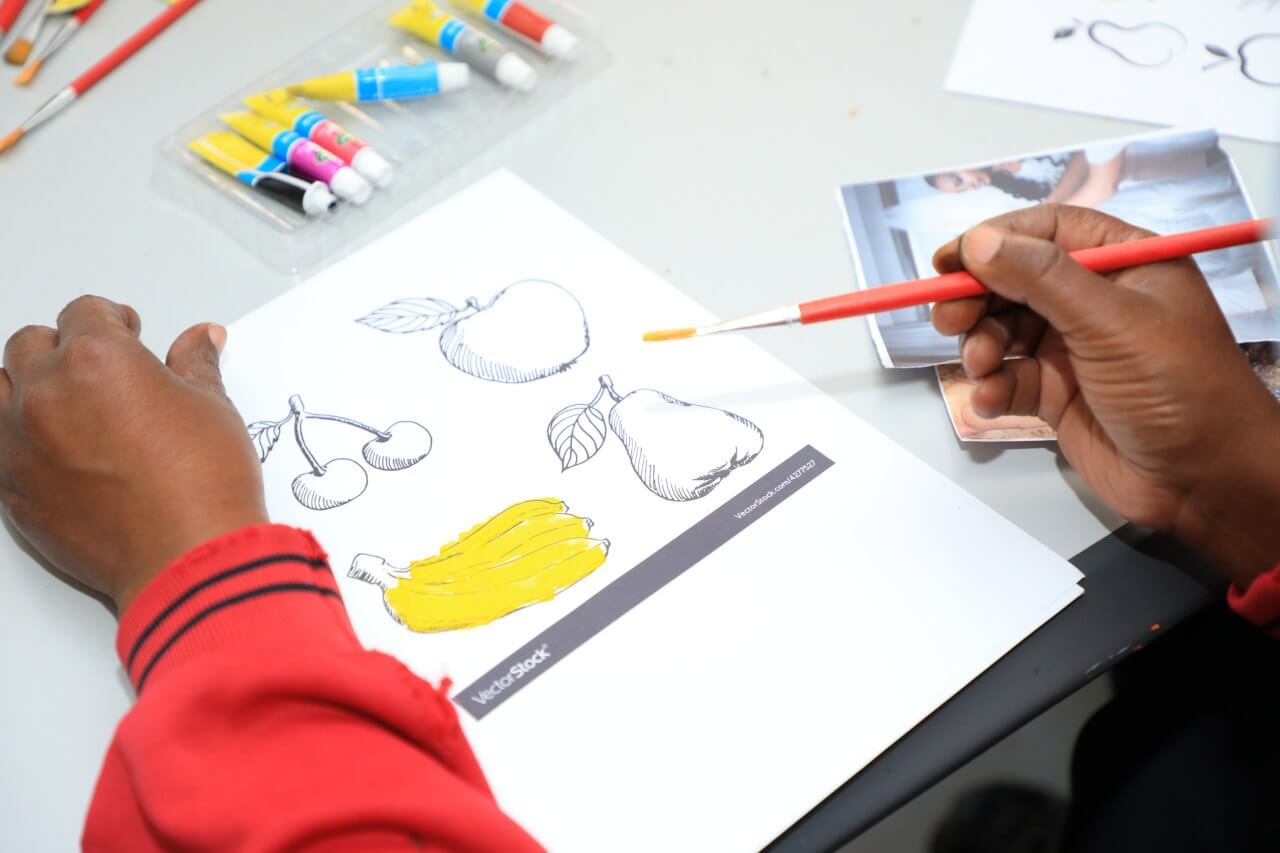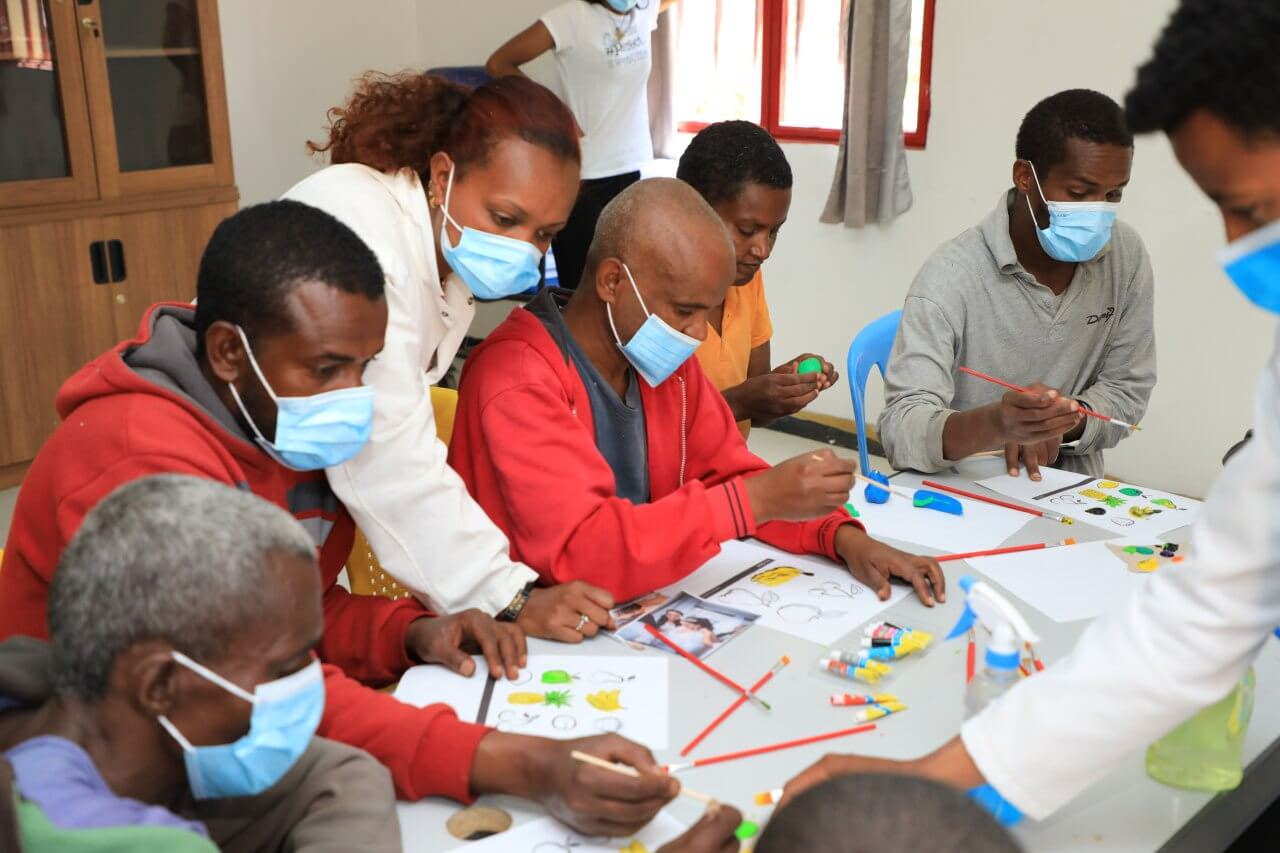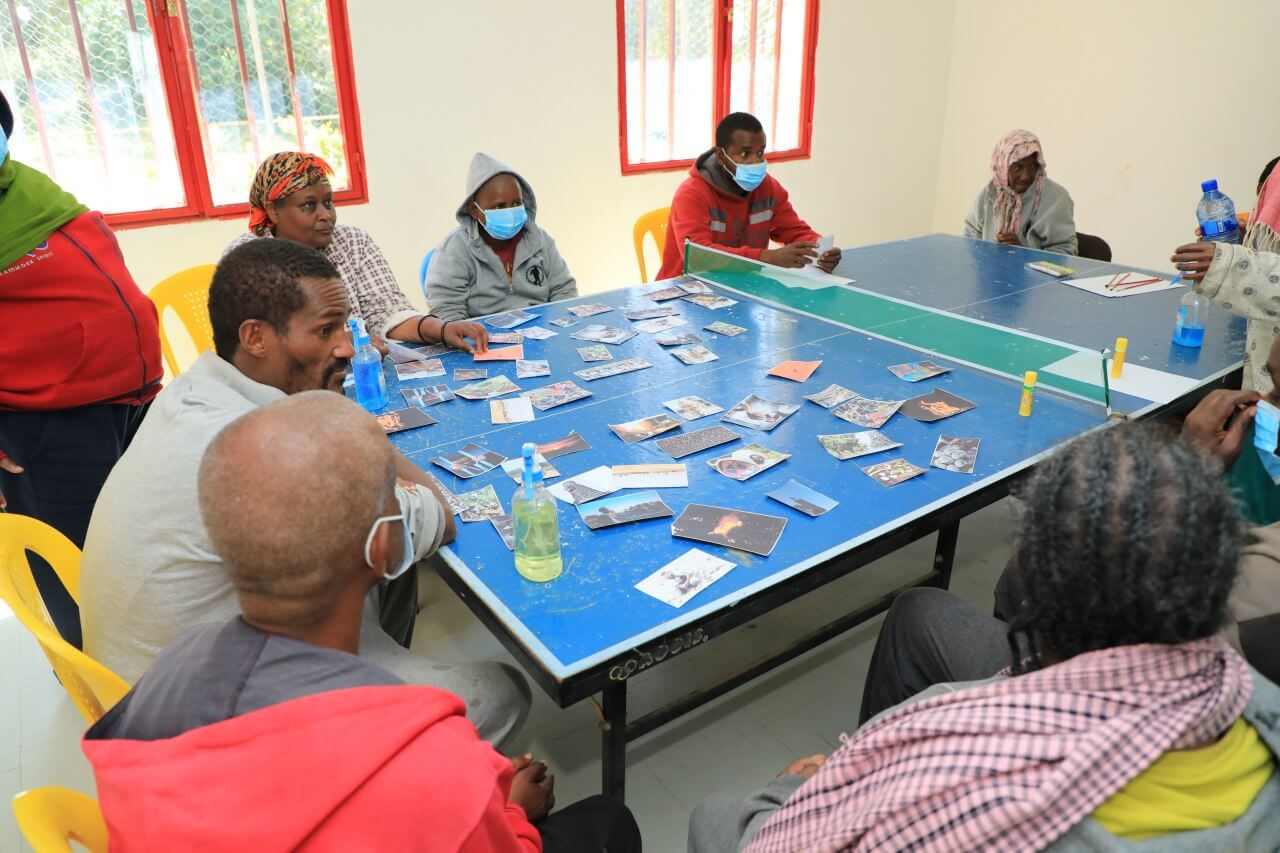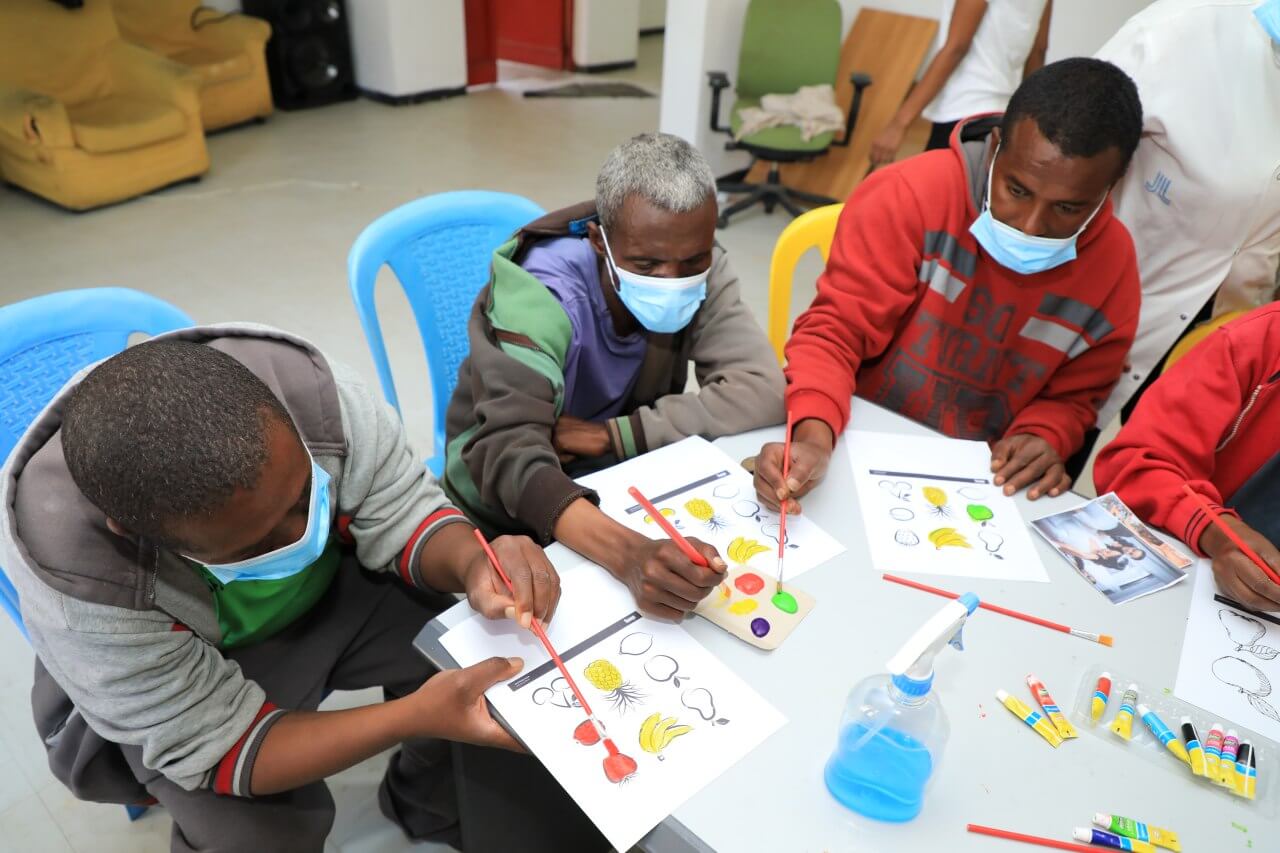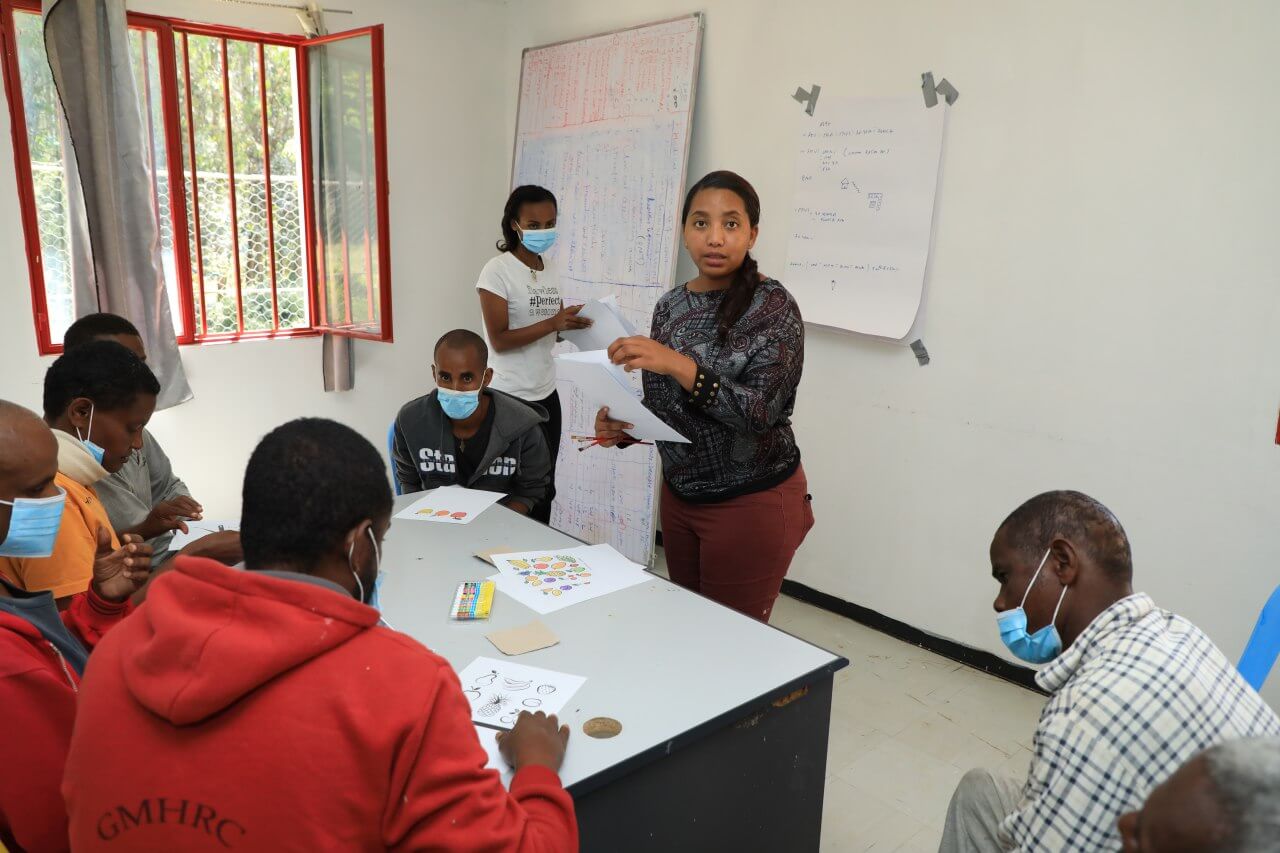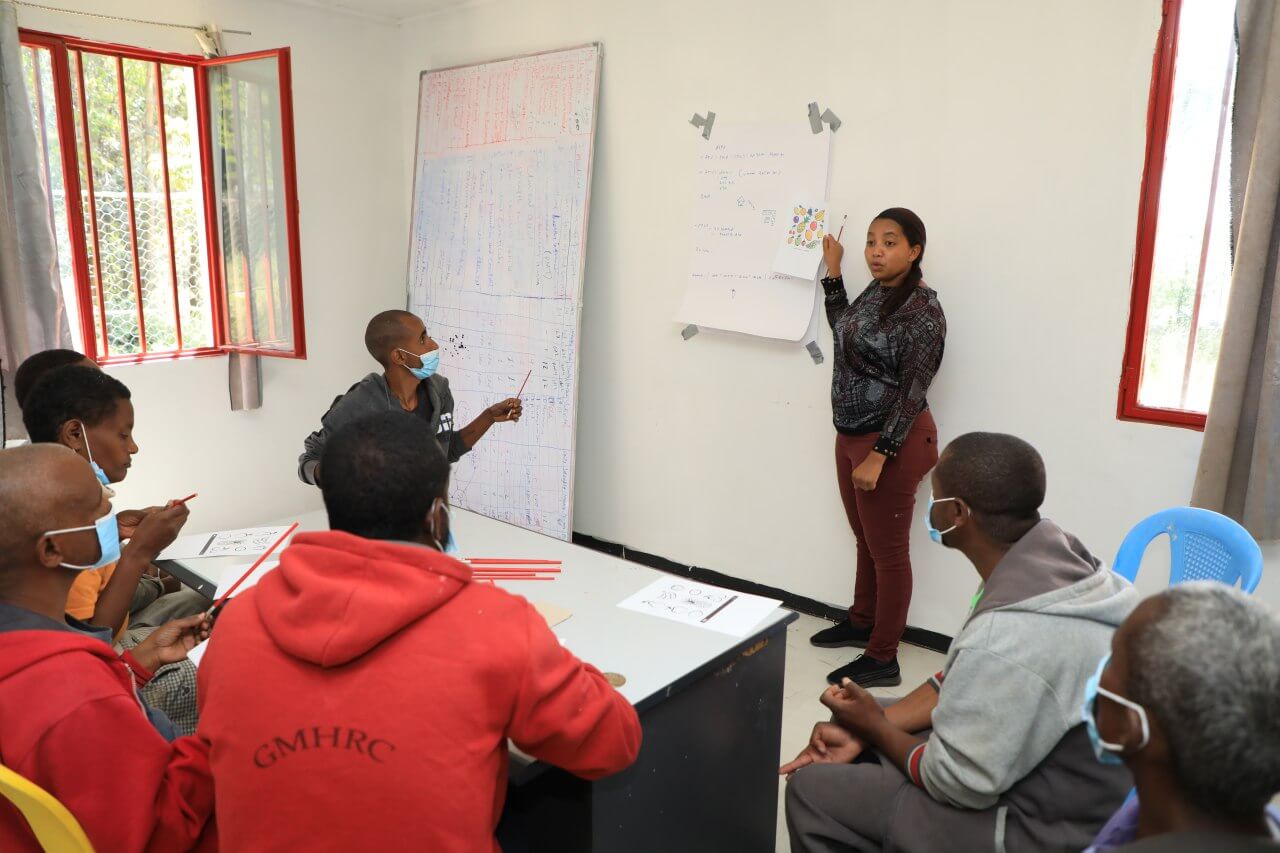
A detailed evaluation of ACHC’s art therapy program at Gefersa Mental Health Rehabilitation Center, highlighting measurable improvements in communication, emotional health, and personal insight.
Art therapy is a life-changing intervention for individuals living with mental illness. Although Ethiopia lacks comprehensive national data on substance-induced mental illness, the clinical reality shows a strong connection between addiction, mental health challenges, and poverty.
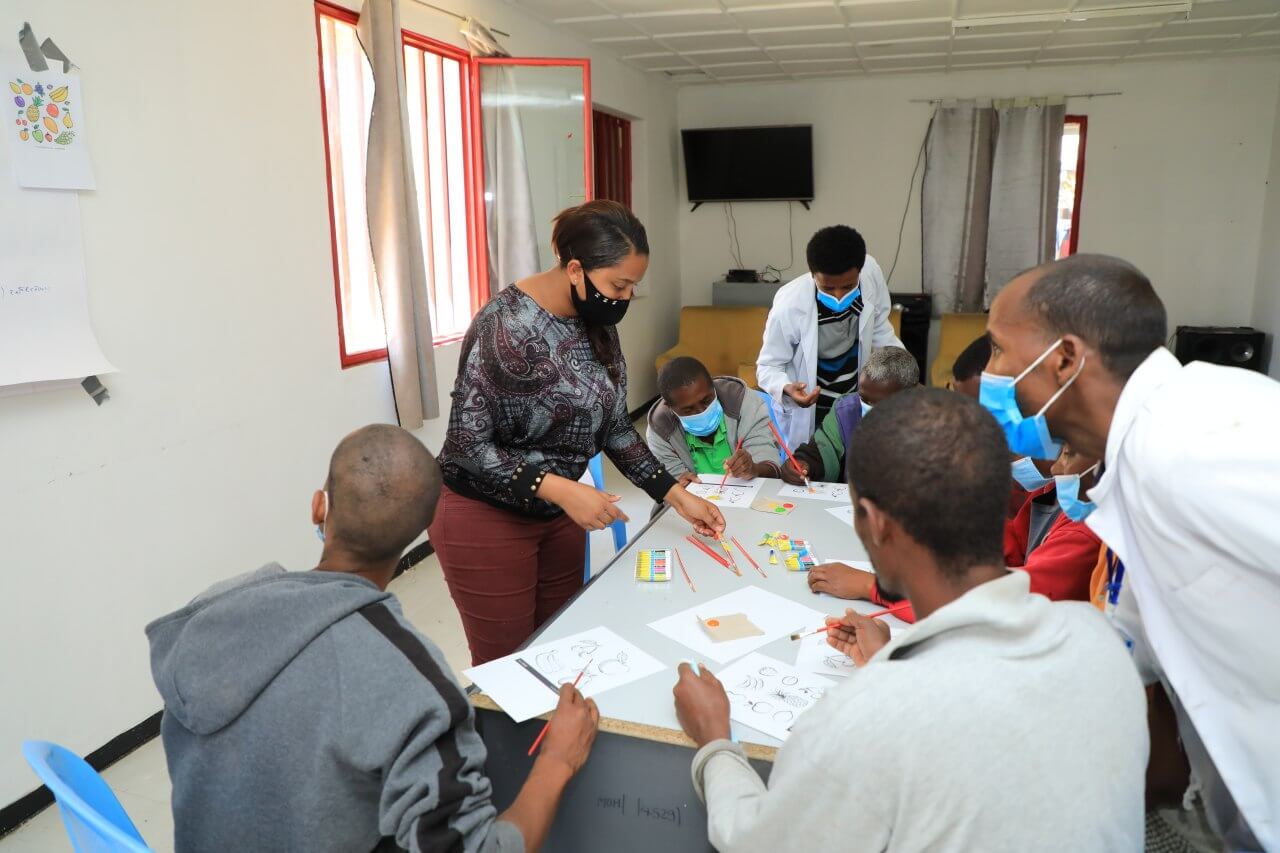
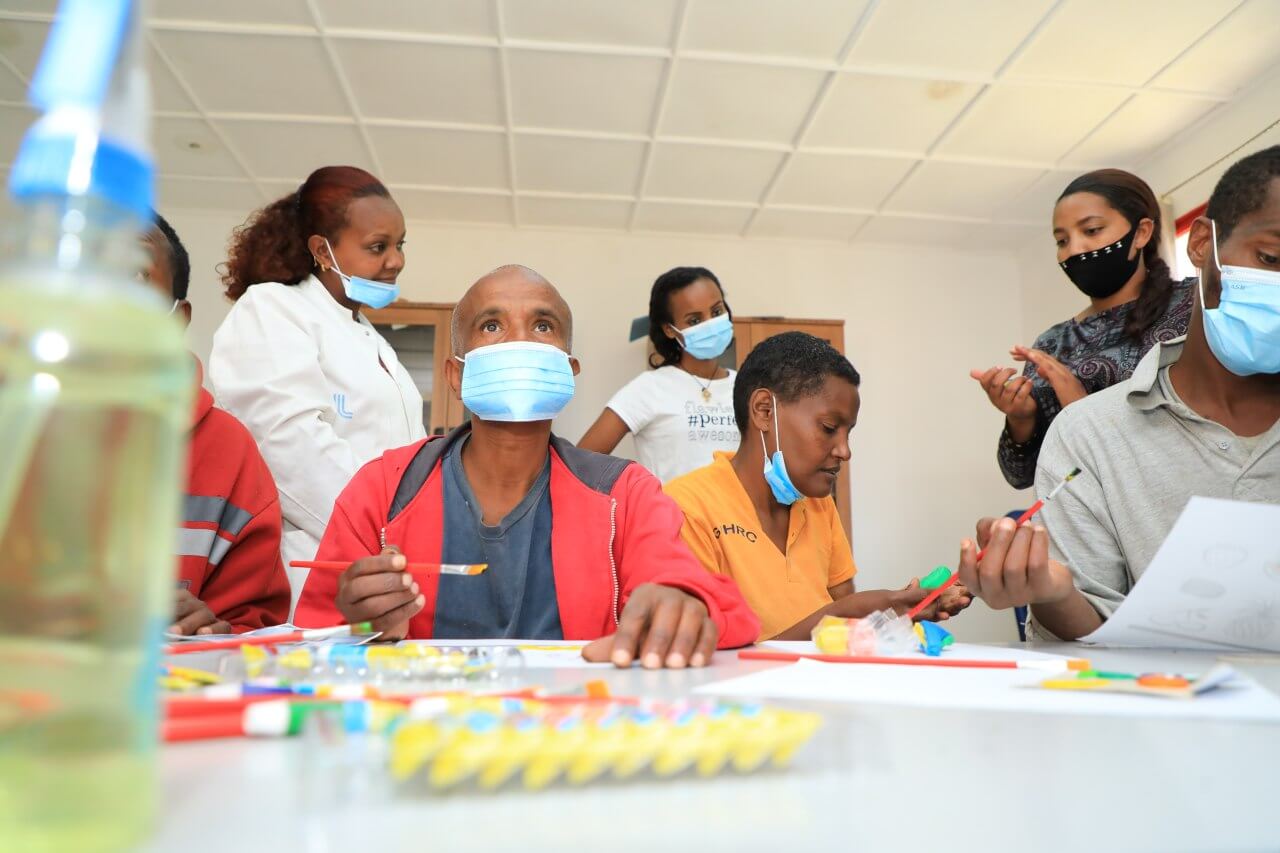
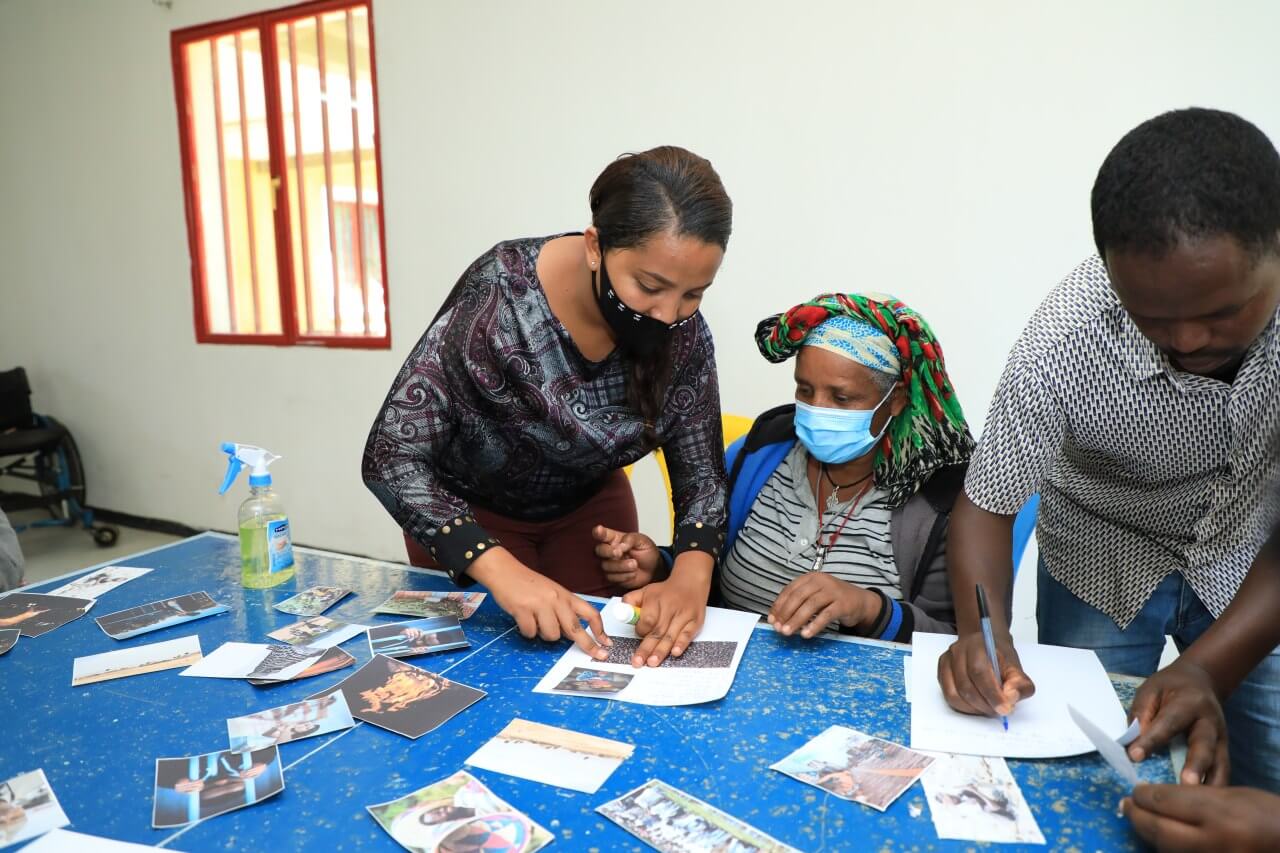
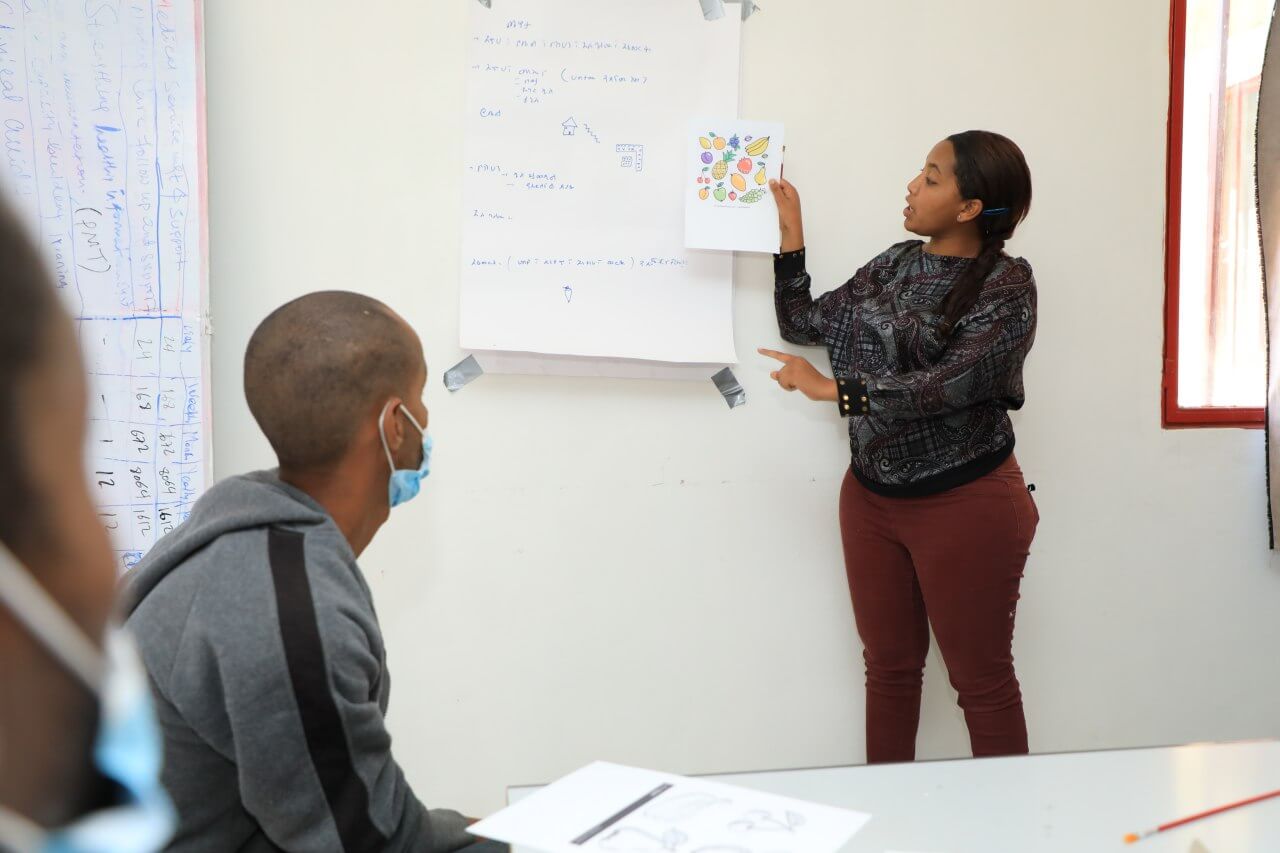
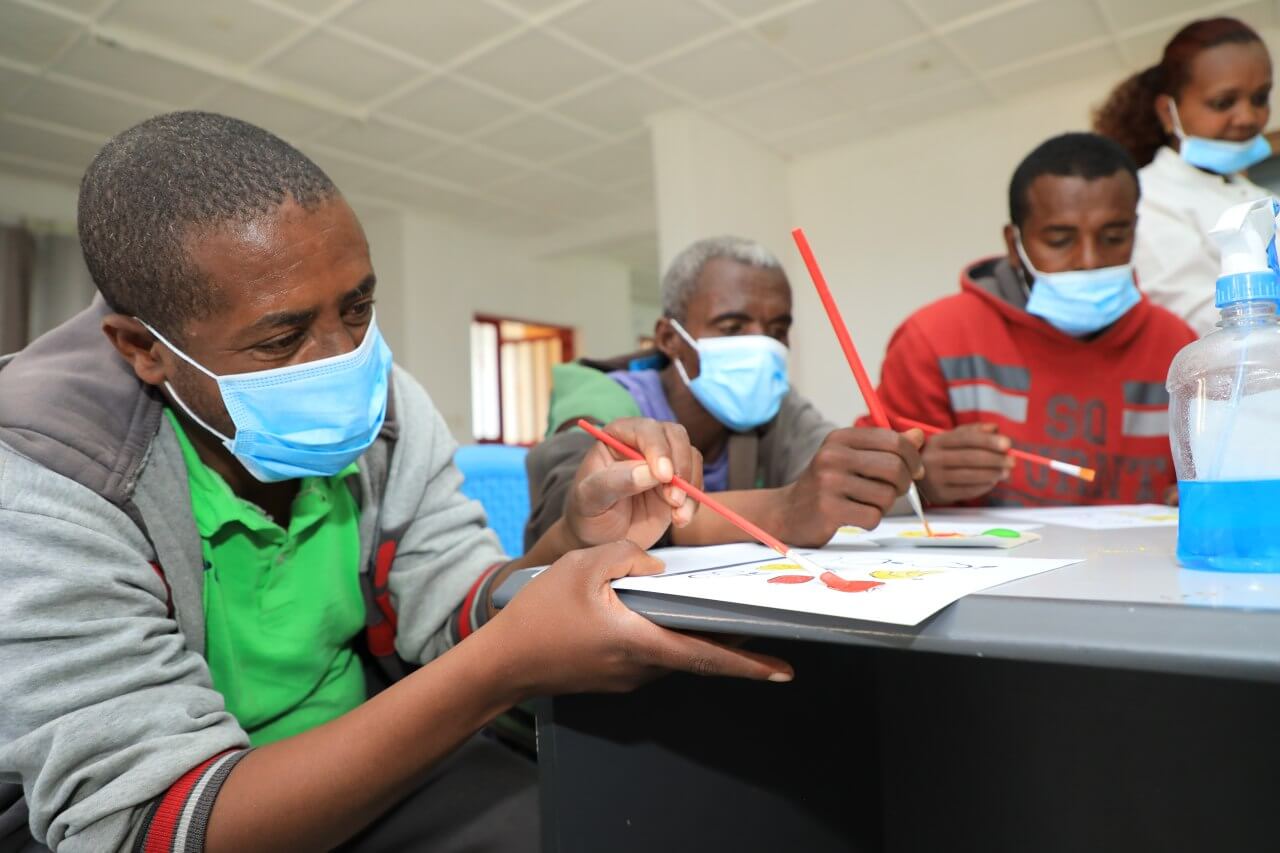
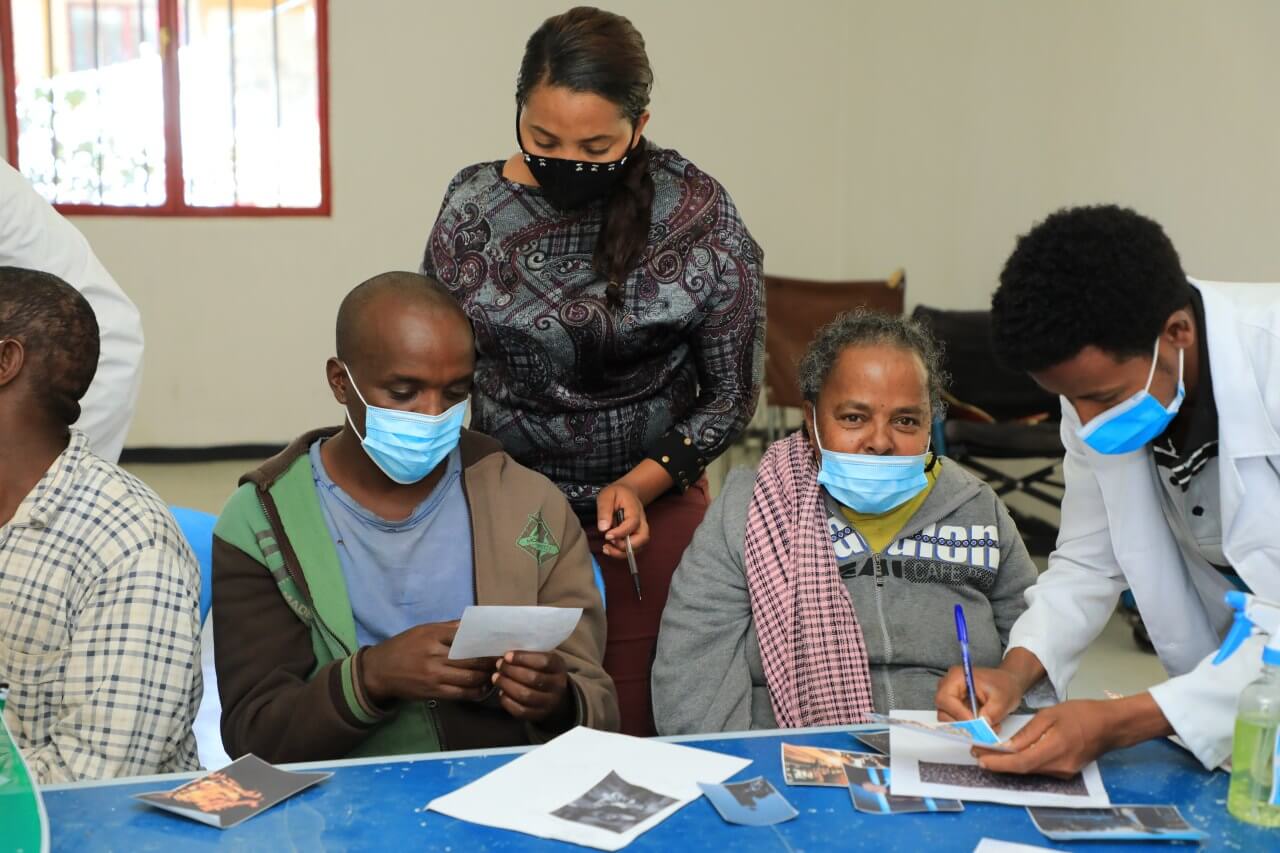
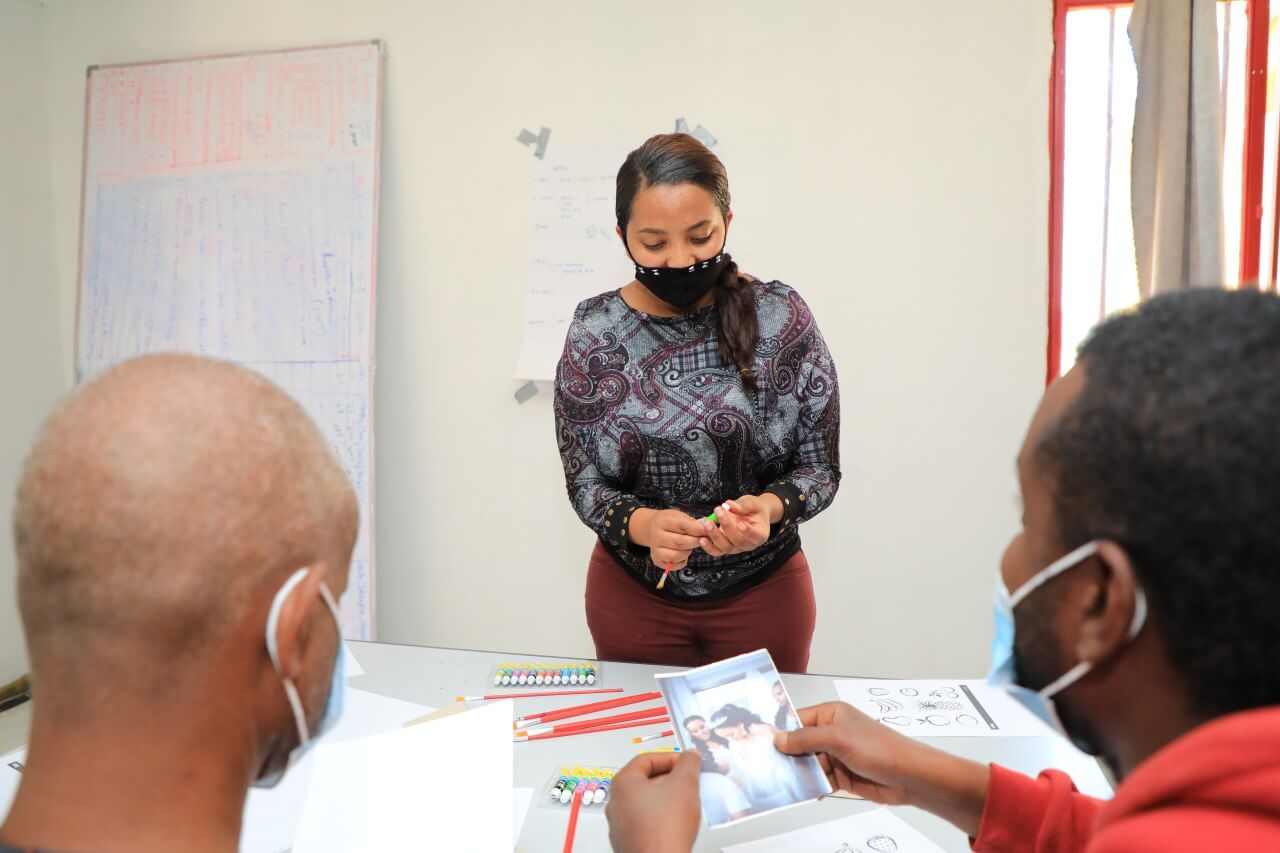
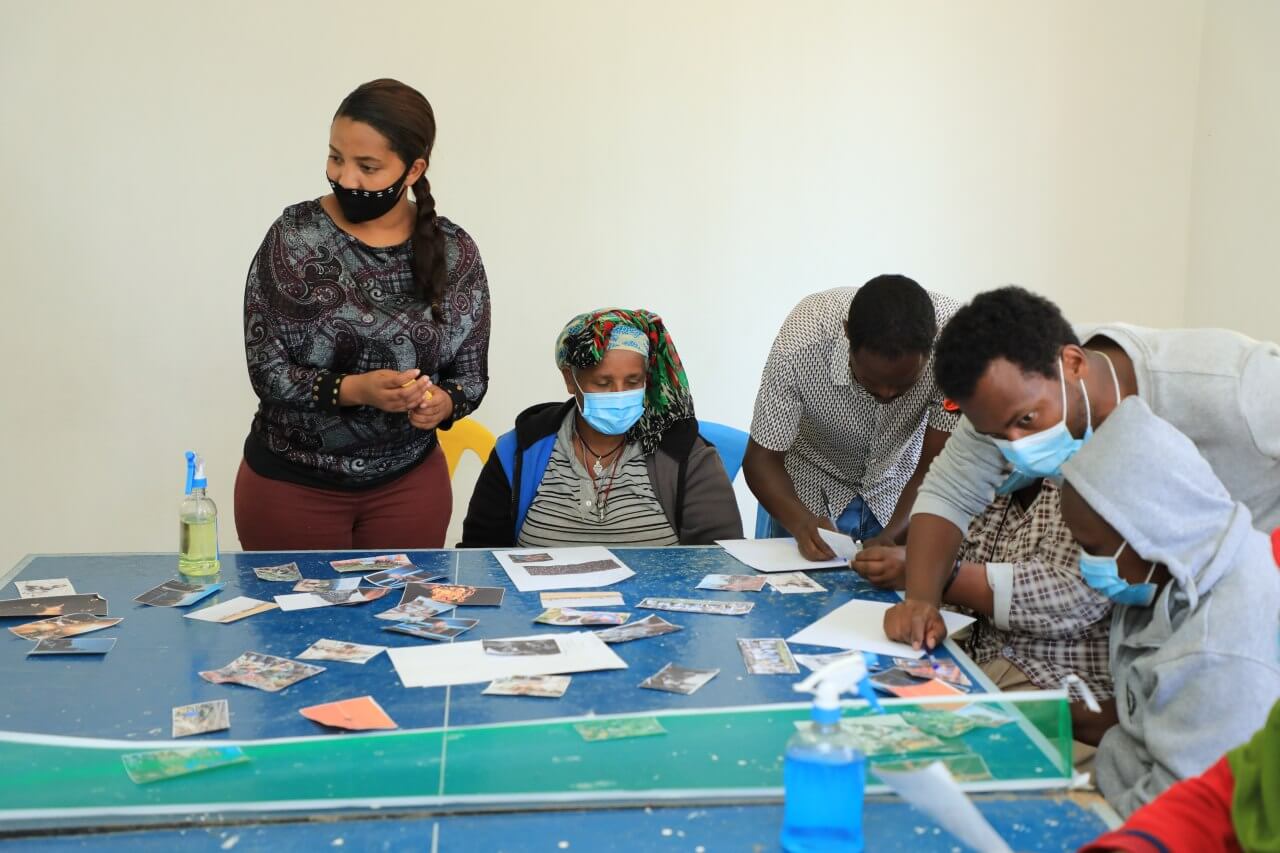
ACHC introduced a structured art therapy program to help strengthen patient insight, support recovery, and reduce relapse rates. This webpage summarizes the evaluation and outcomes of the intervention conducted at Gefersa Mental Health Rehabilitation Center (GMHRC).
To evaluate the impact and effectiveness of art therapy as part of mental health rehabilitation at GMHRC.
Cross-sectional study
October 25, 2021 – February 2, 2022
Systematic randomized sampling based on two criteria:
Total: 92 patients selected | Only those who completed 8+ sessions were evaluated — resulting in 56 participants
Evaluation forms adopted from the Global Brain Health Institute and refined by senior Atlantic fellows were used. Facilitators completed evaluation forms for each patient after eight sessions.
Diagnoses:
Patients showed noticeable improvement in expressing themselves with clarity and reduced hesitation.
More positive engagement with treatment and reduced resistance to care.
Clear reduction in emotional distress across most participants.
Patients demonstrated increased self-esteem, calmness, and coping skills.
Art became a safe space for many patients to externalize feelings they struggled to verbalize.
Participants showed improvements in focus, organization, and handling everyday tasks.
The evaluation demonstrates that art therapy is not only effective but transformative. Patients experienced measurable improvements in:
This intervention also provided valuable learning for facilitators and inspired the hospital to send five staff members to pursue scholarships in art therapy. The study contributes foundational data for Ethiopia, where local research on art therapy is still limited.
We recognize the invaluable contributions of: