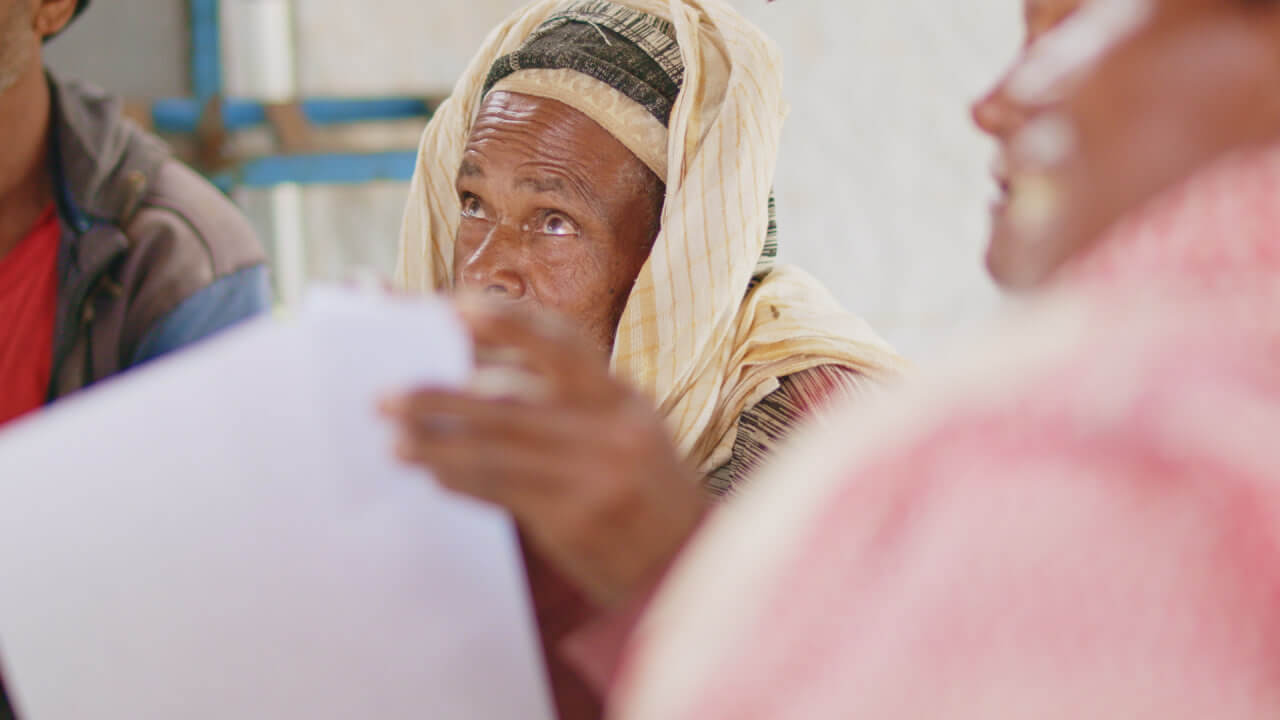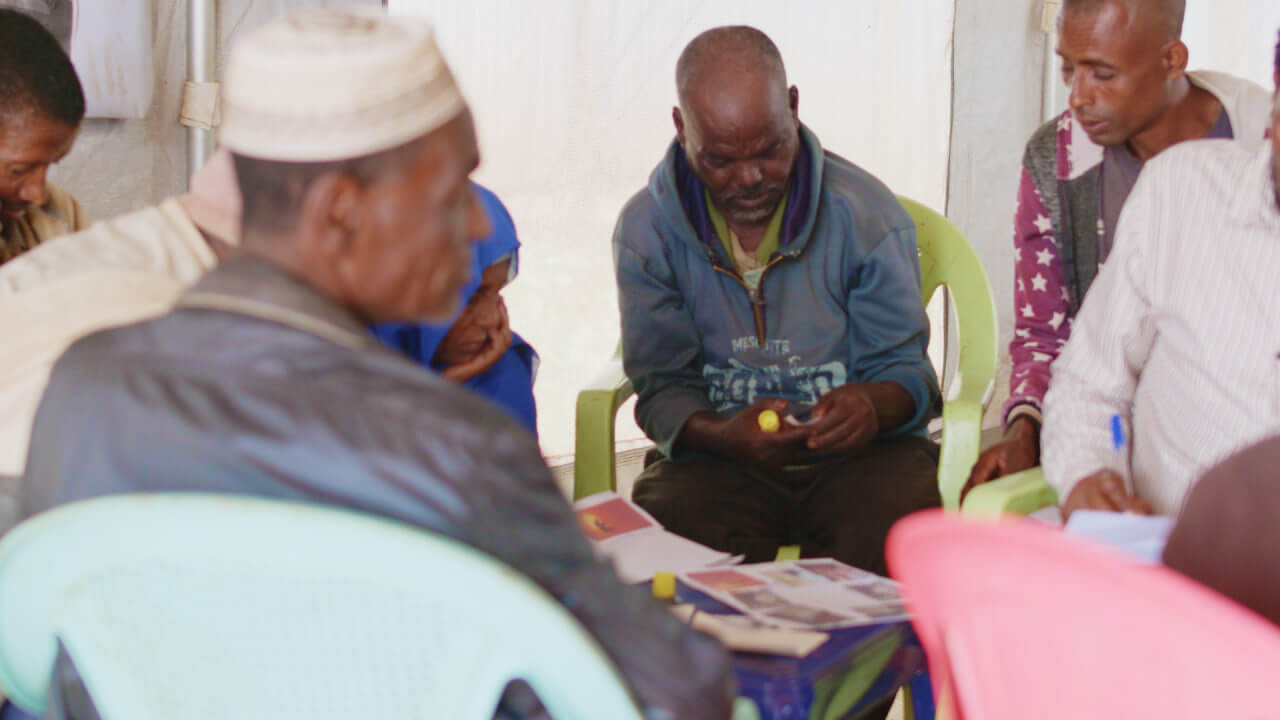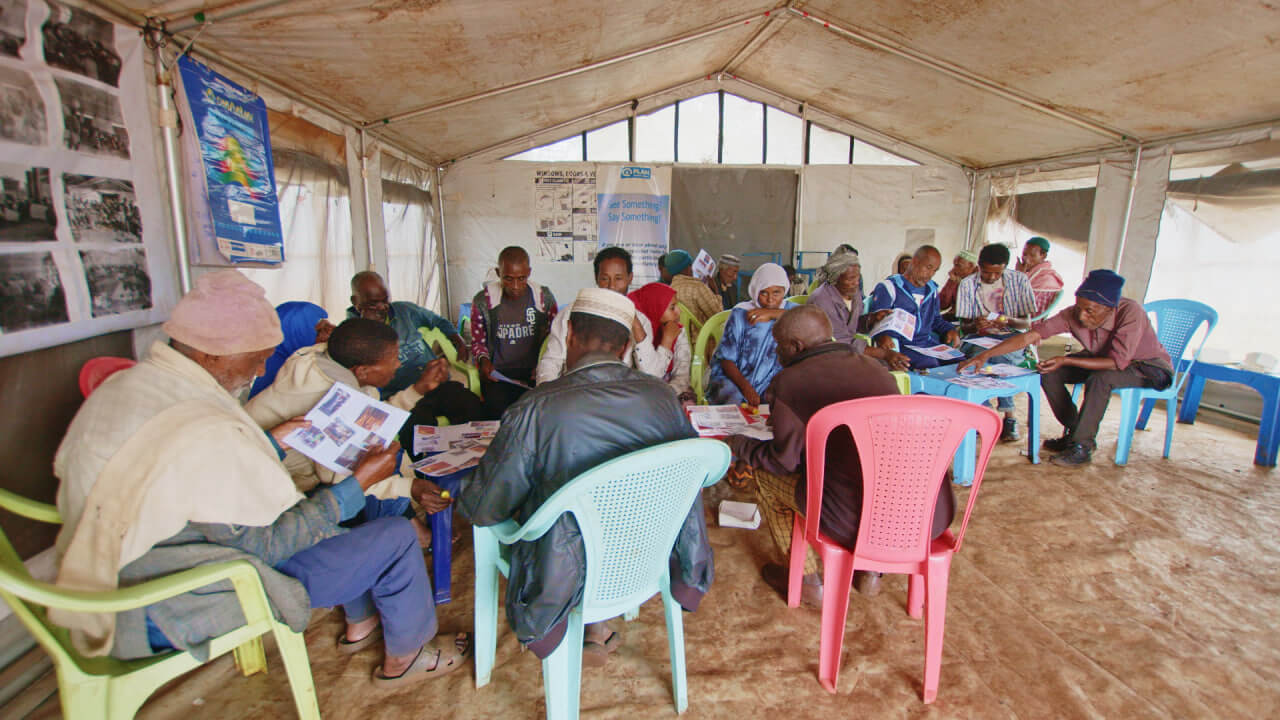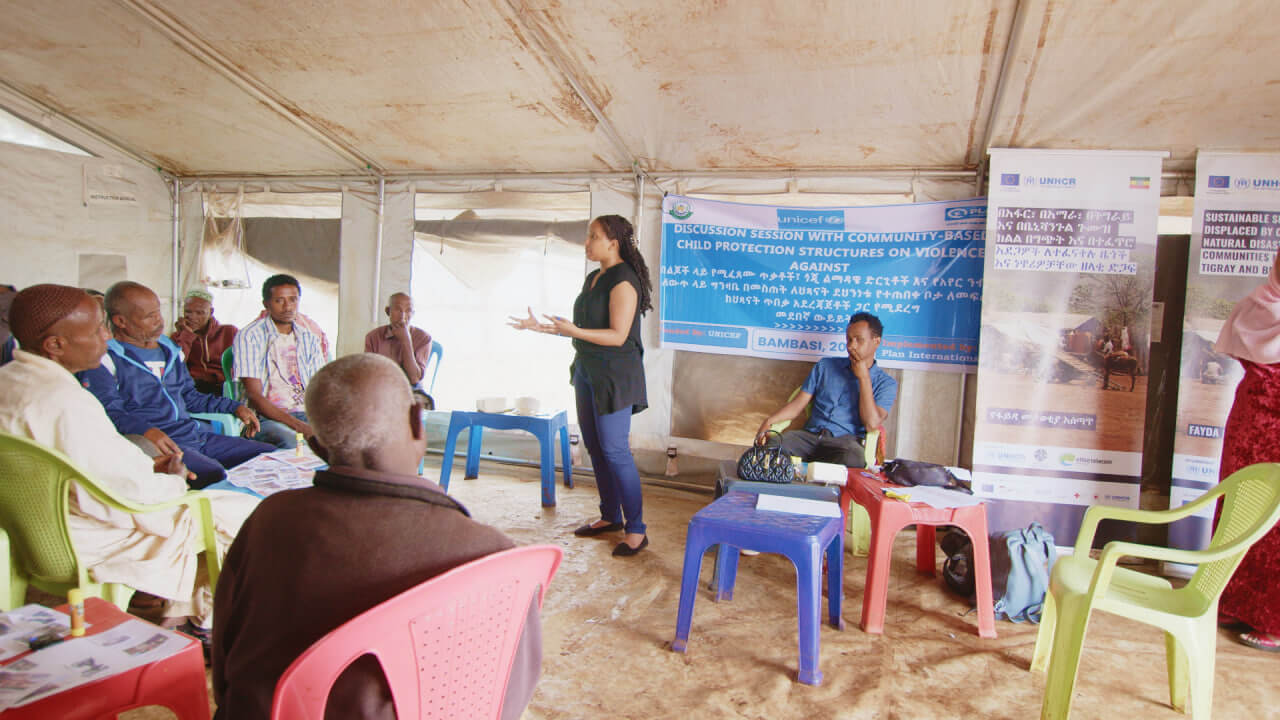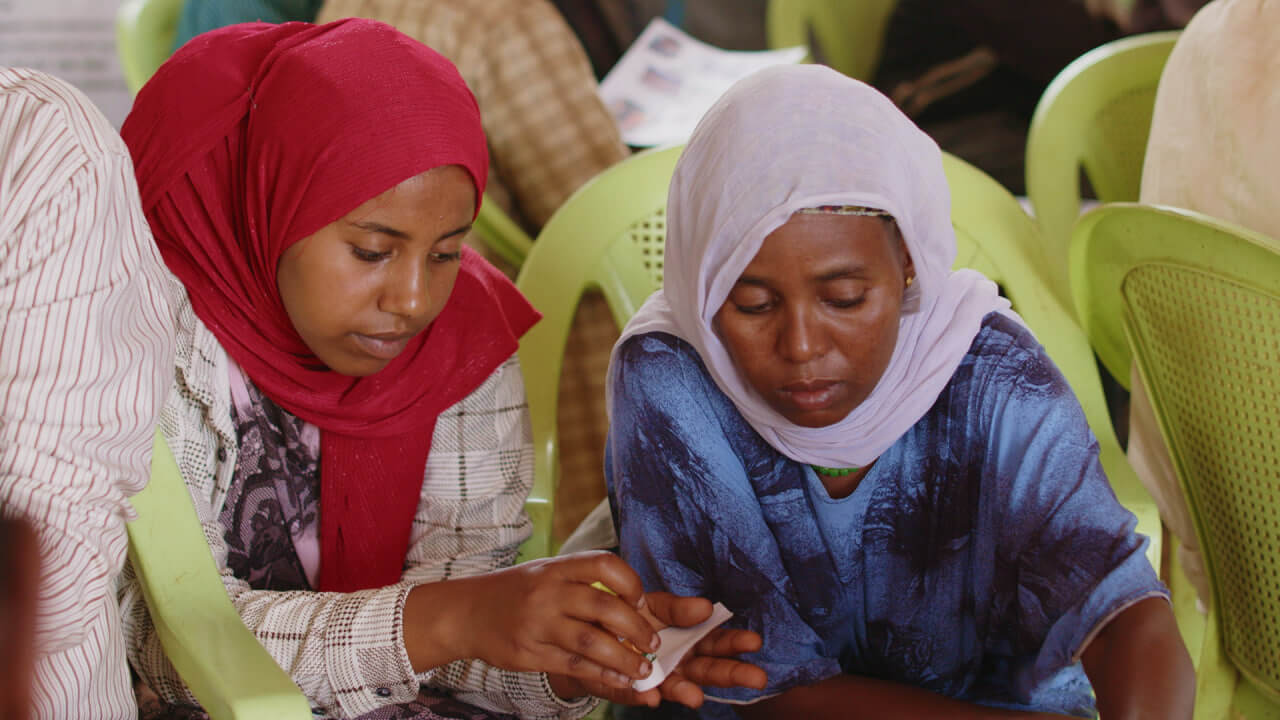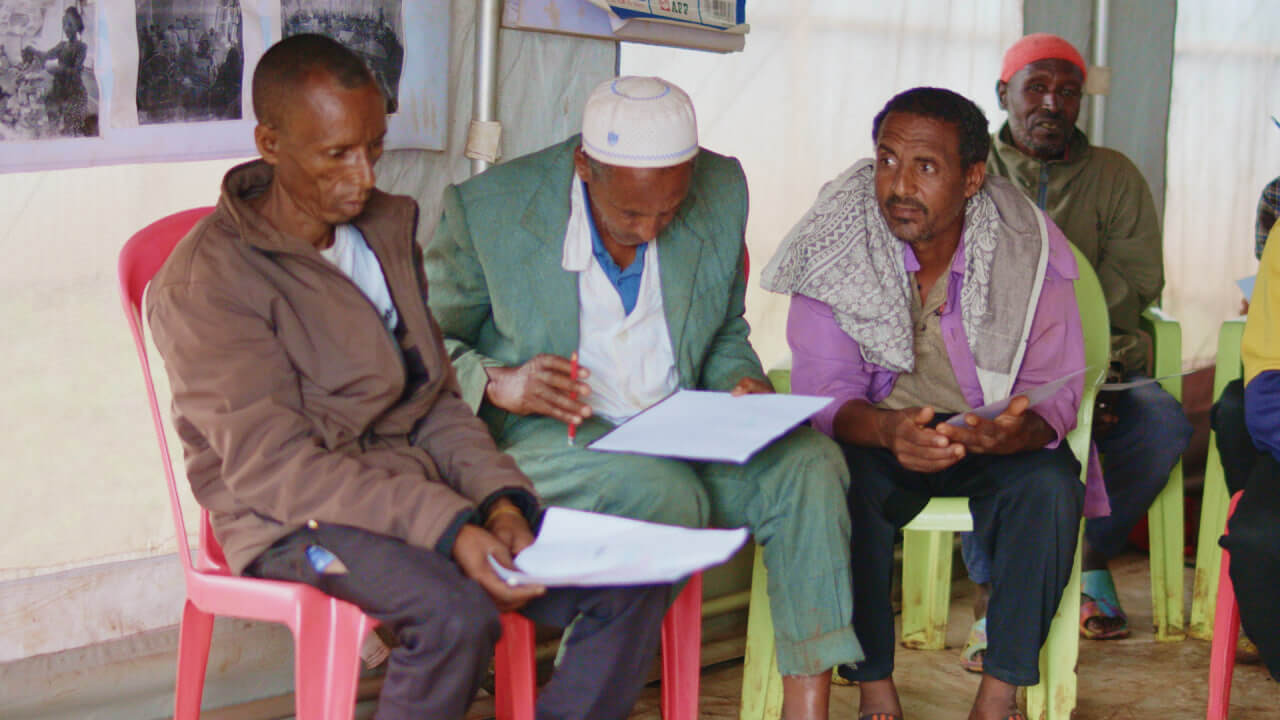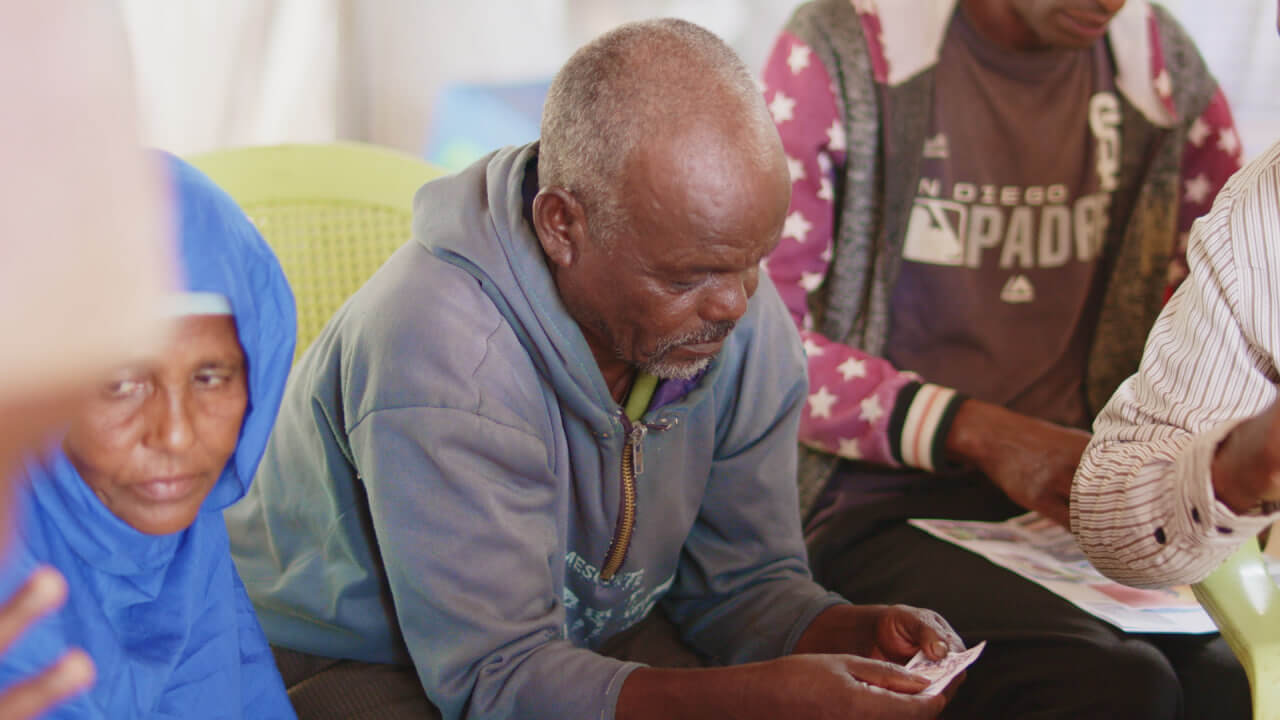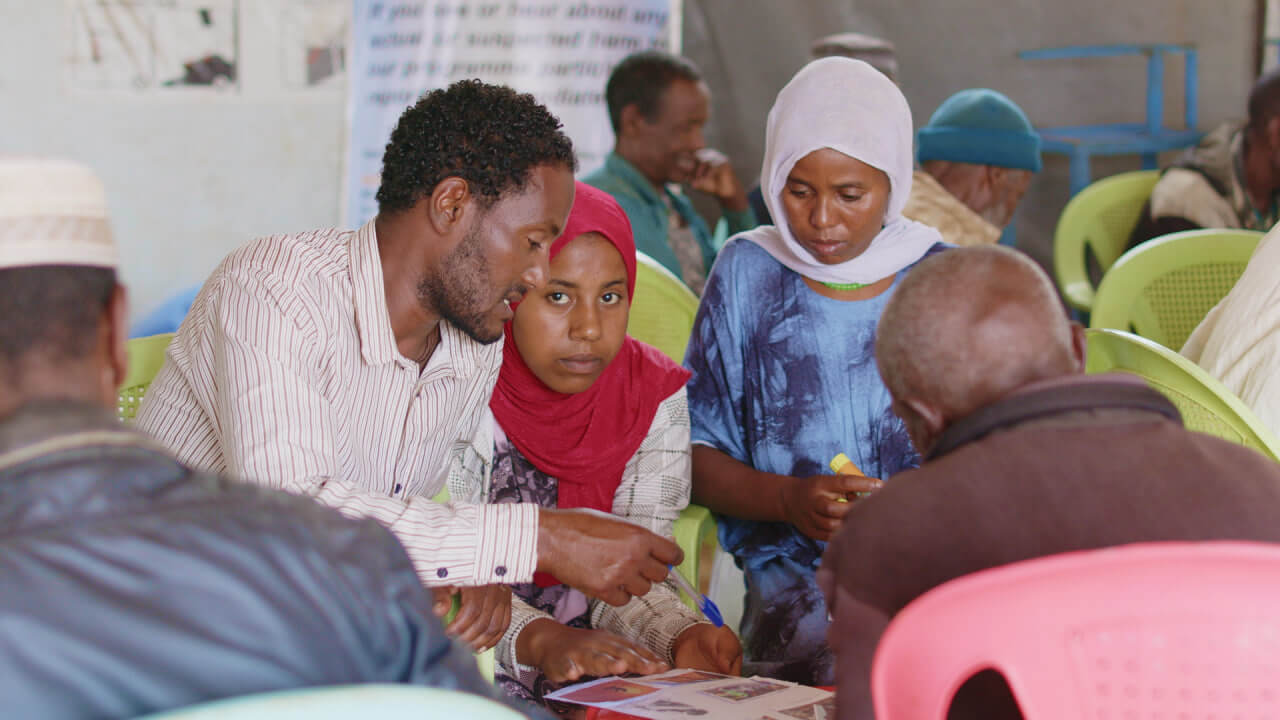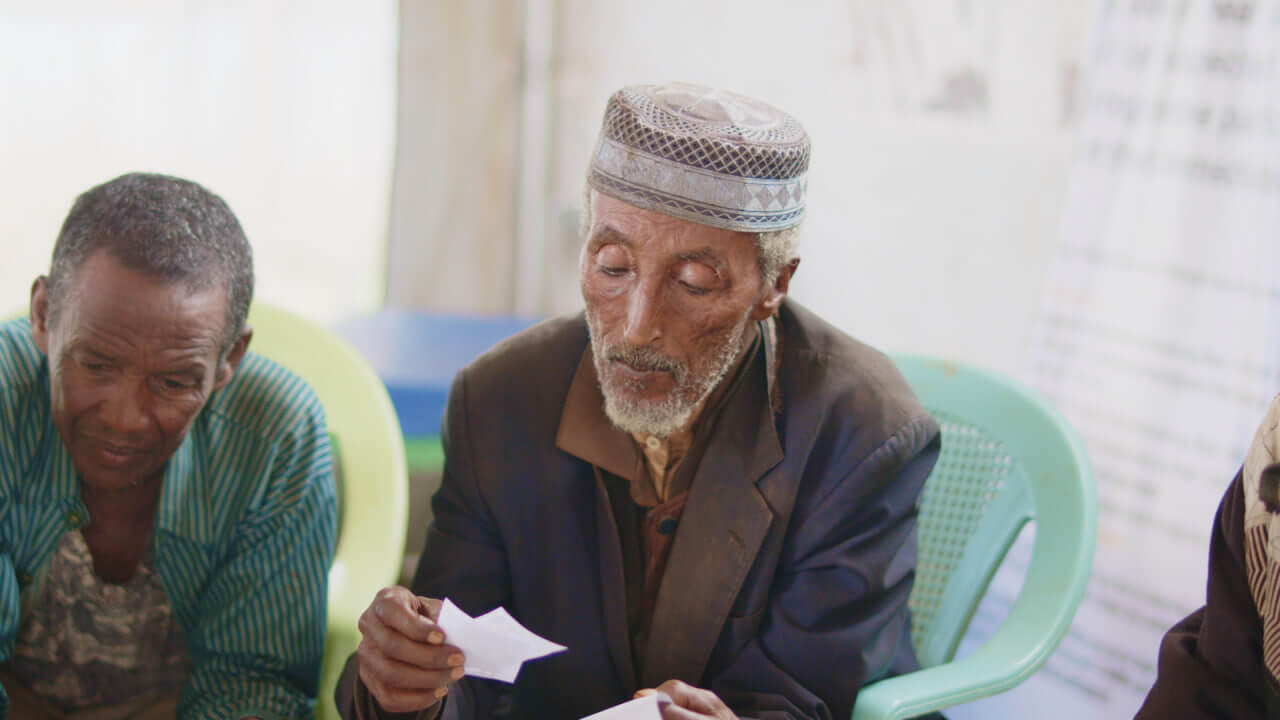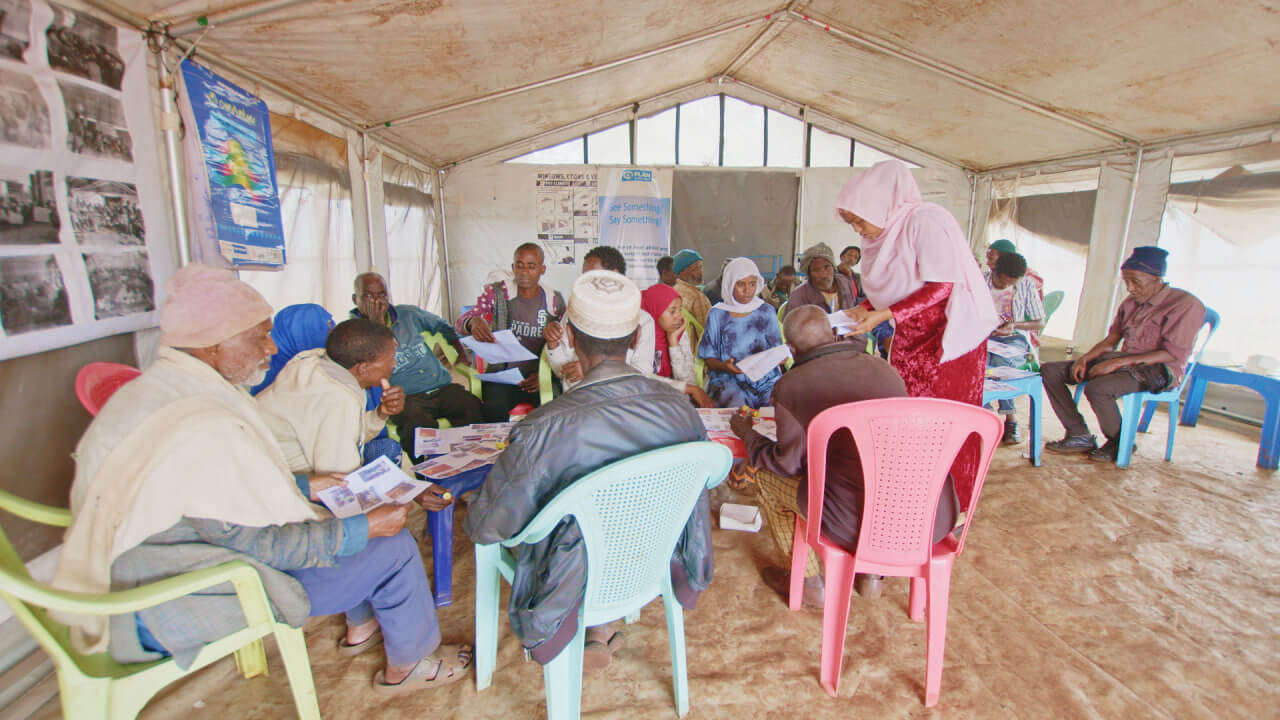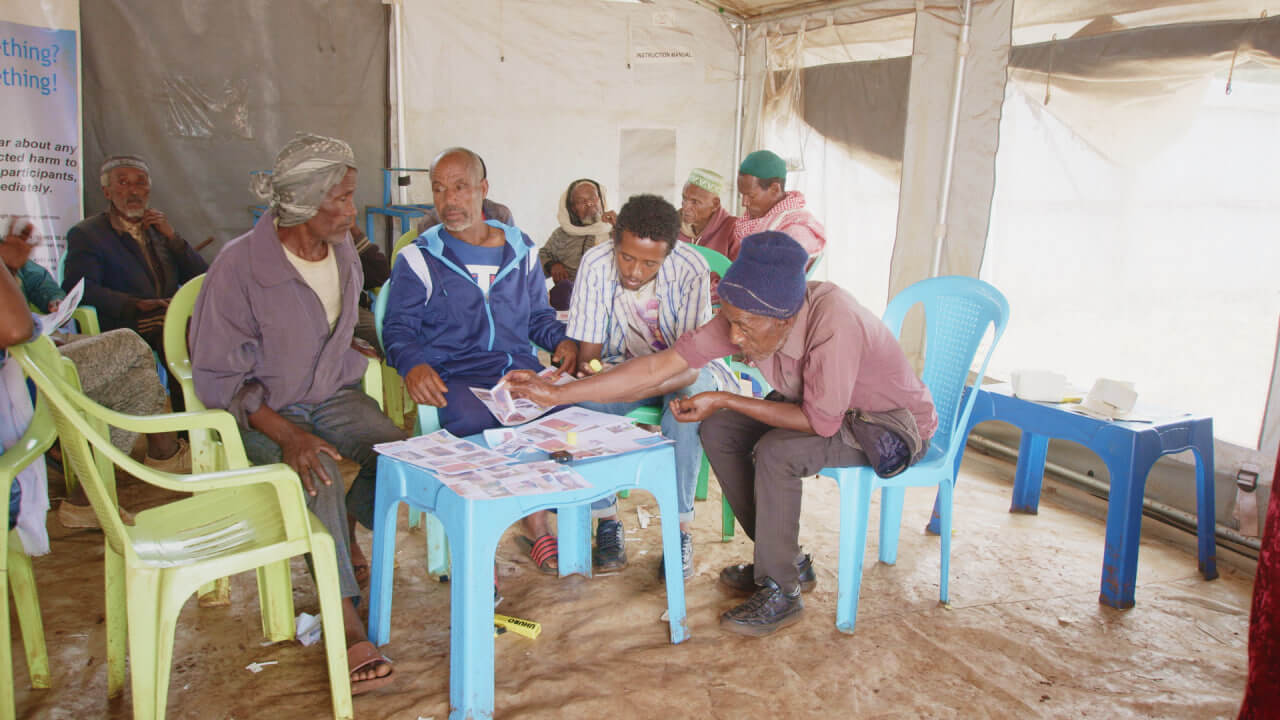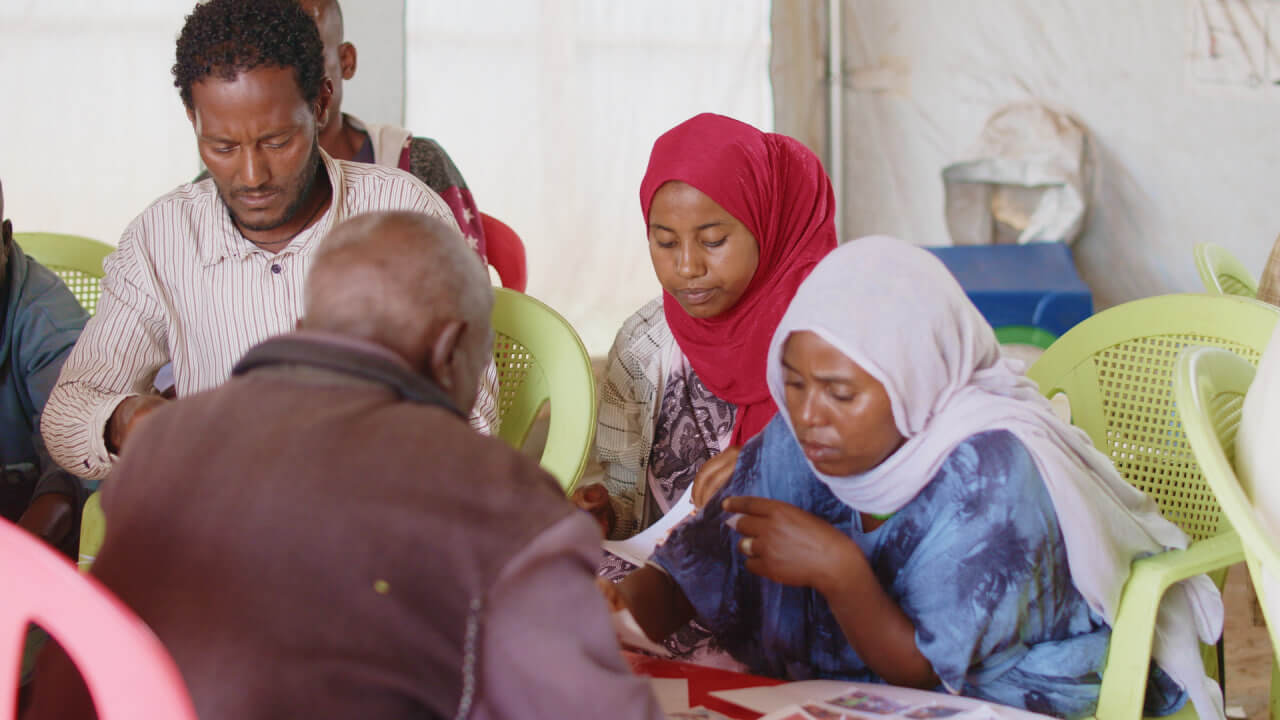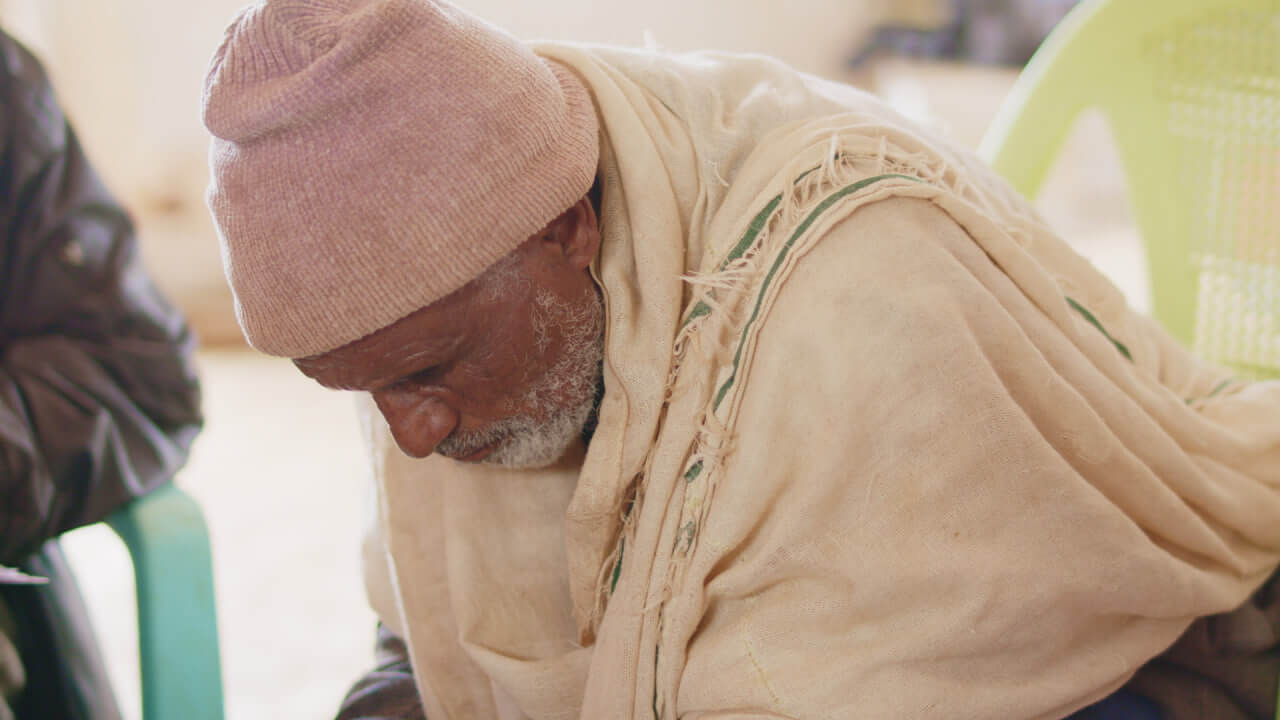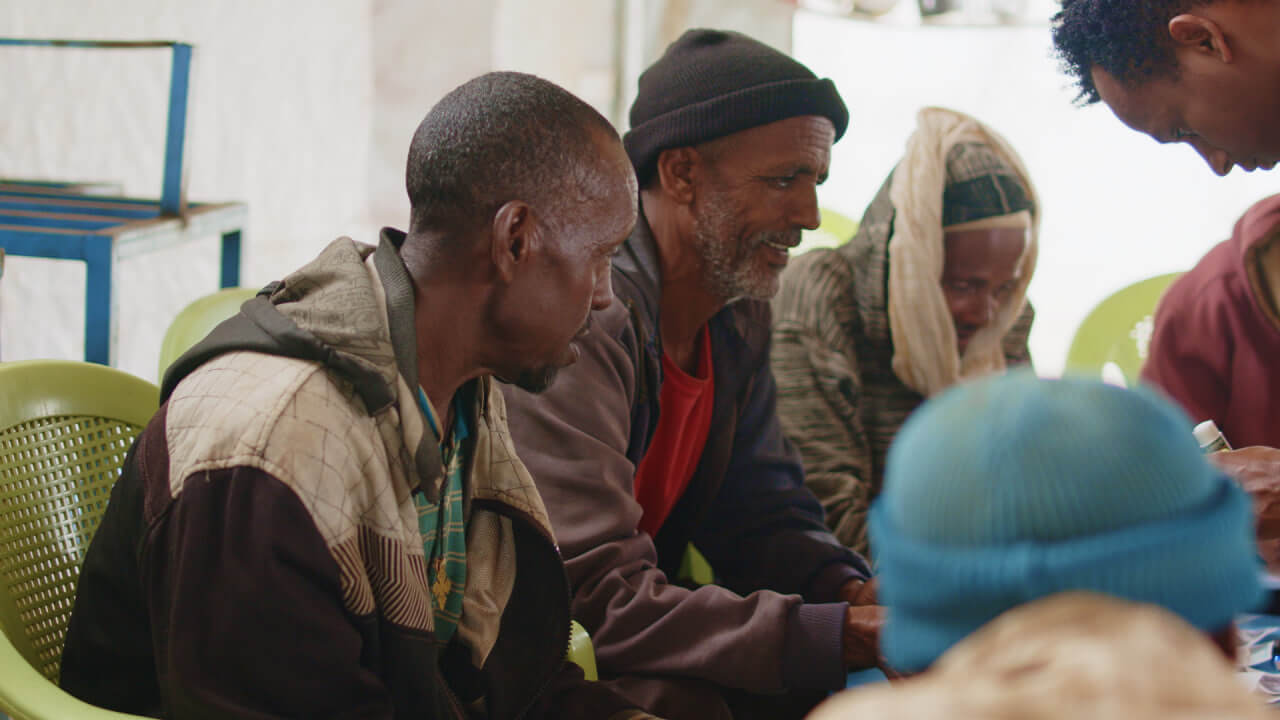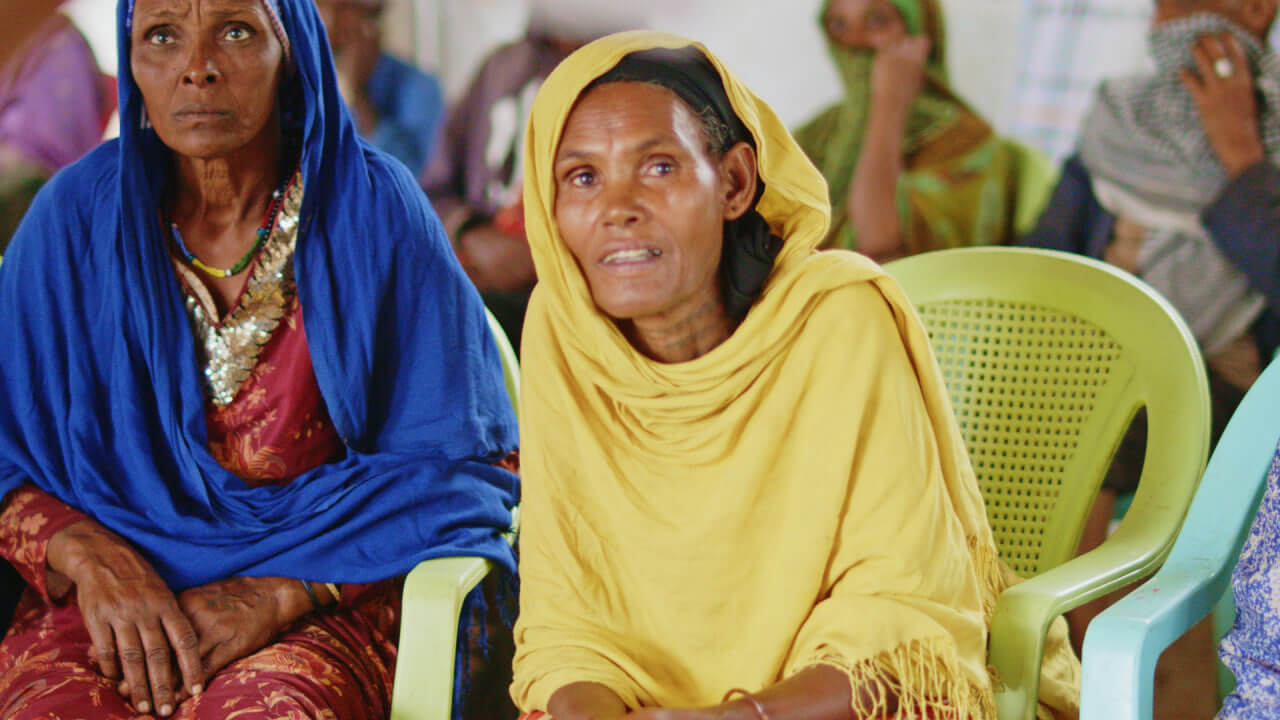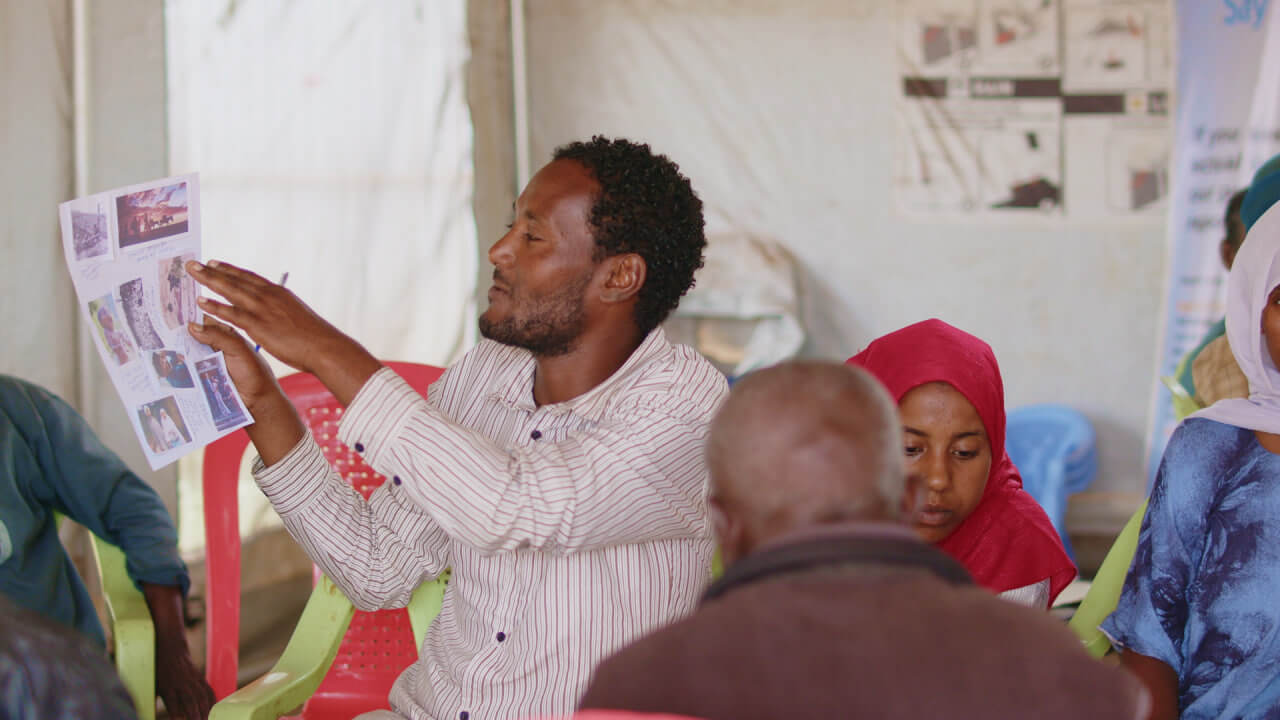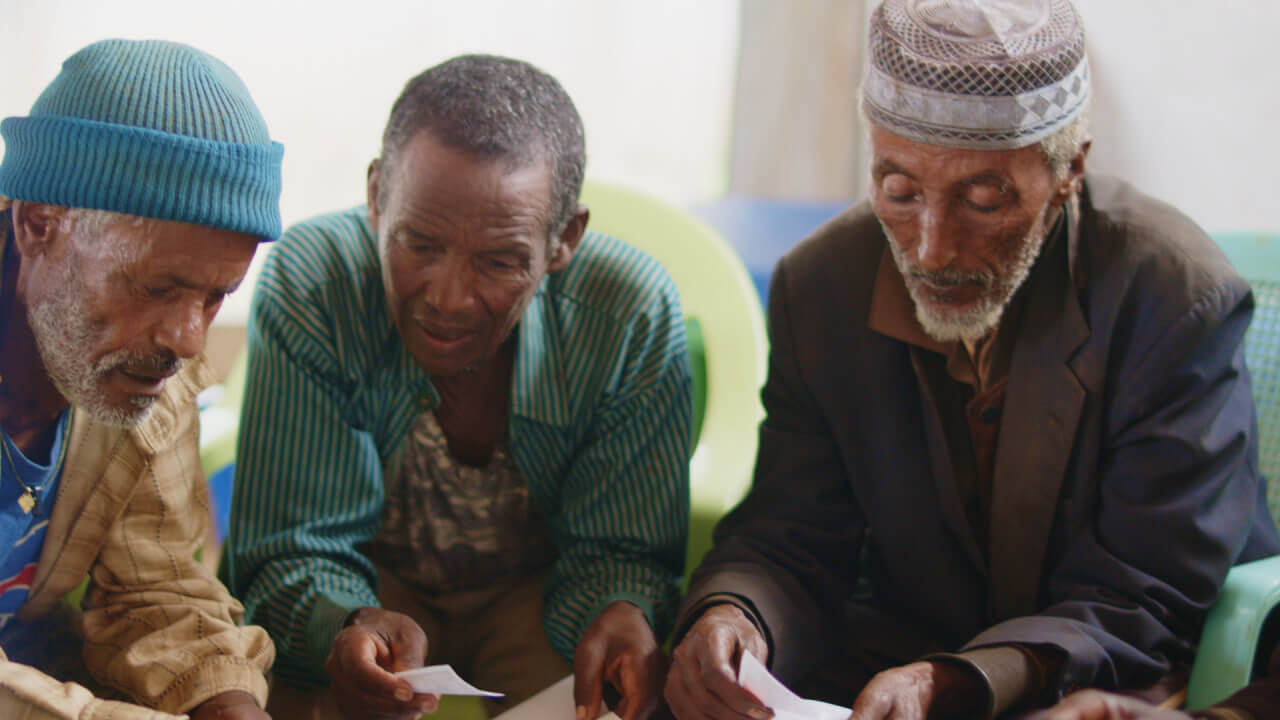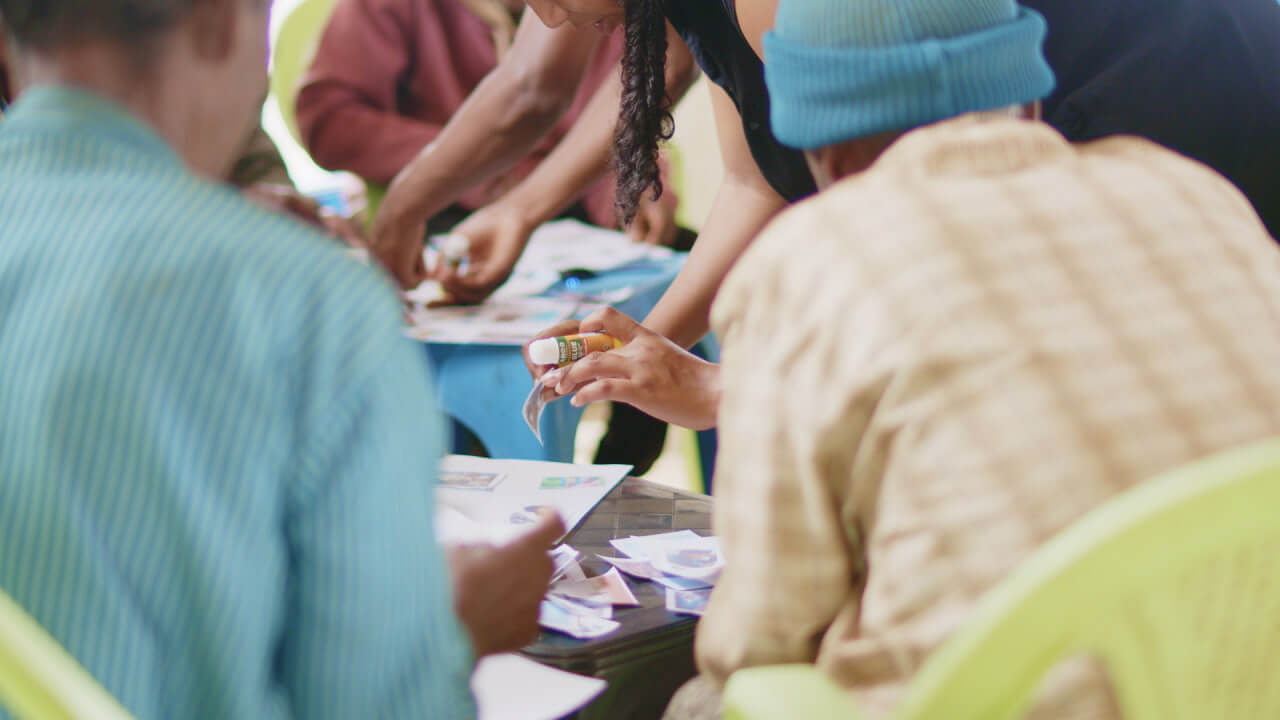
Supporting internally displaced people and host communities through creative, culturally grounded trauma healing processes.
The HEAR Project, an initiative of the American Friends Service Committee (AFSC), is implemented in partnership with CEHRO and JPRO. ACHC contributed to the project as a technical expert, providing expressive art therapy interventions focused on trauma healing.
The program uses Expressive Arts Therapy as a powerful, culturally sensitive tool for:
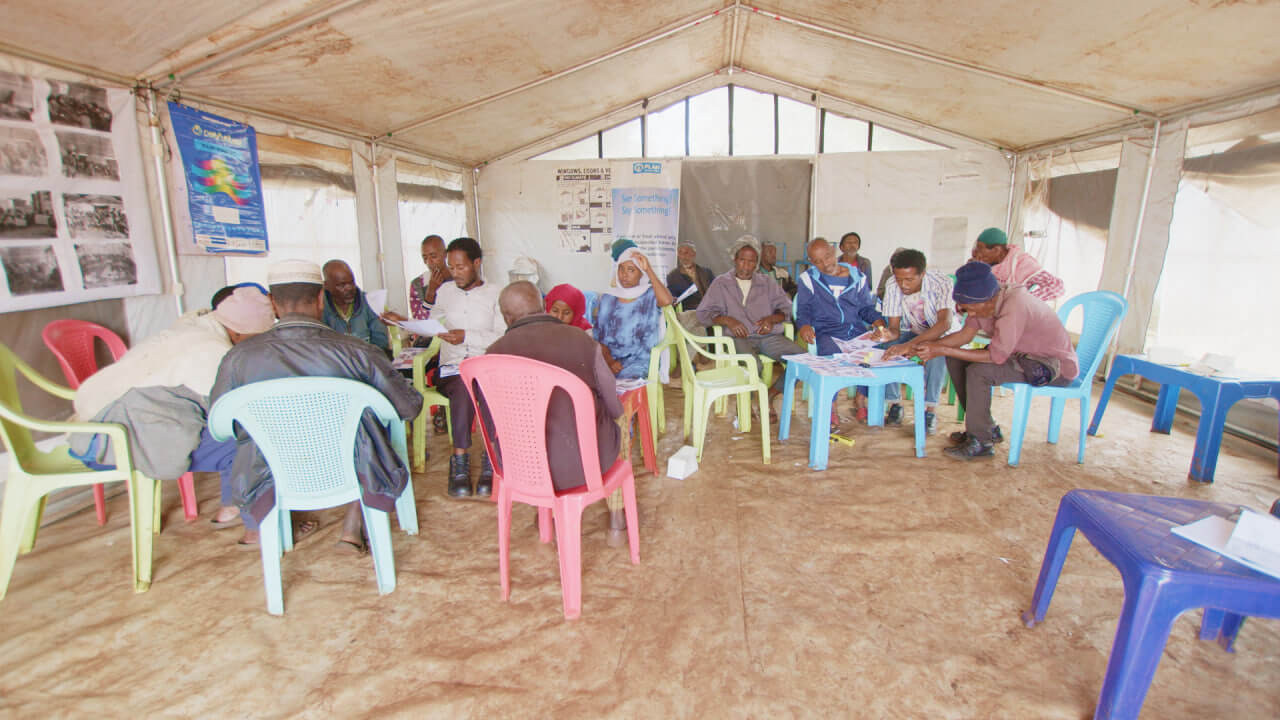
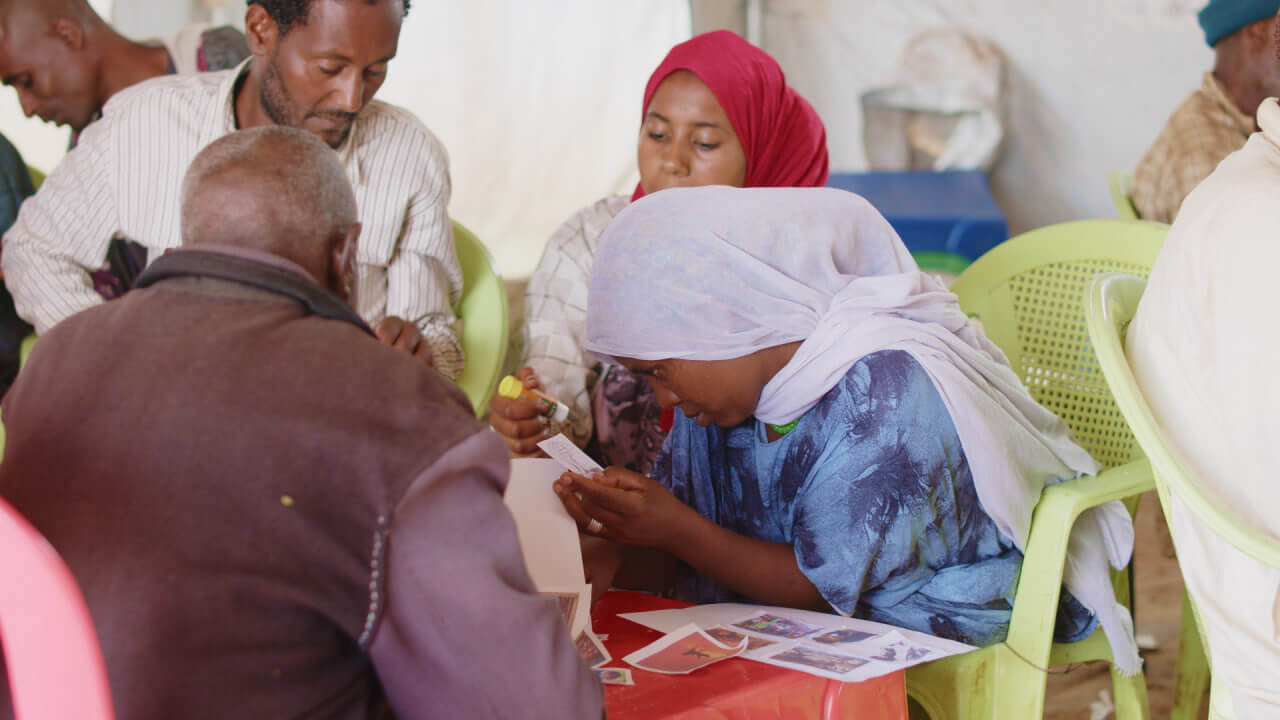
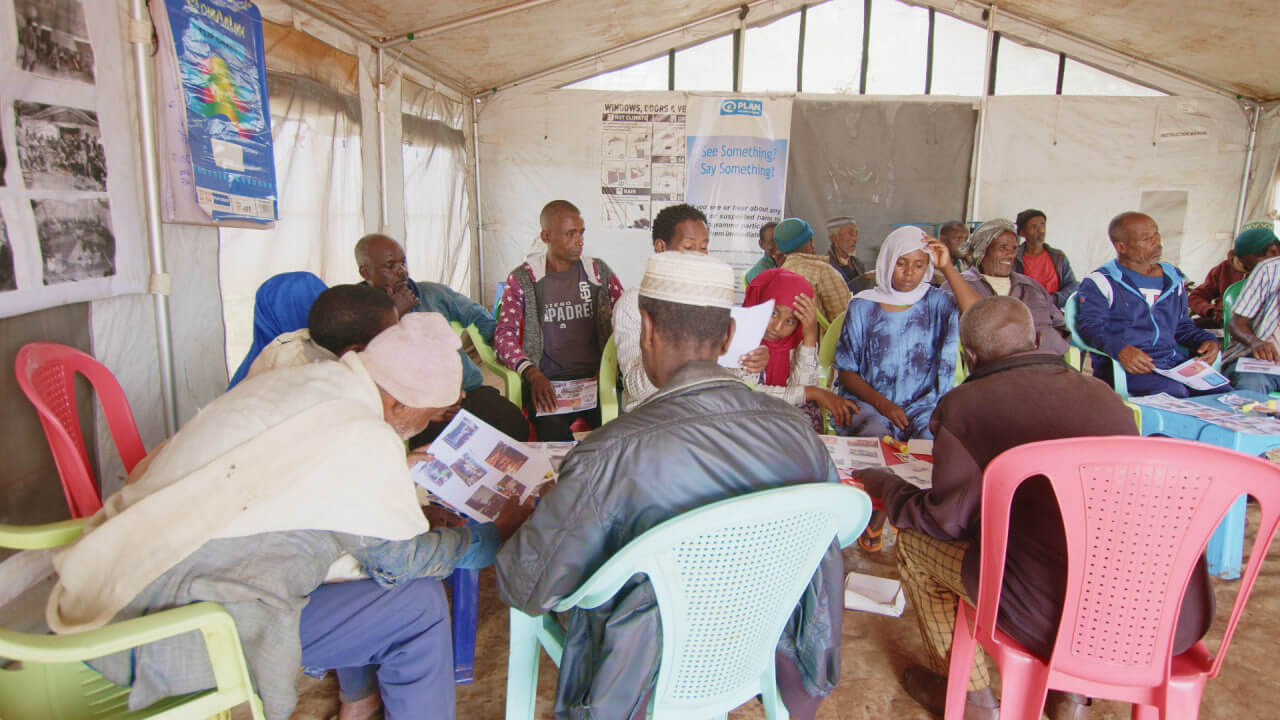
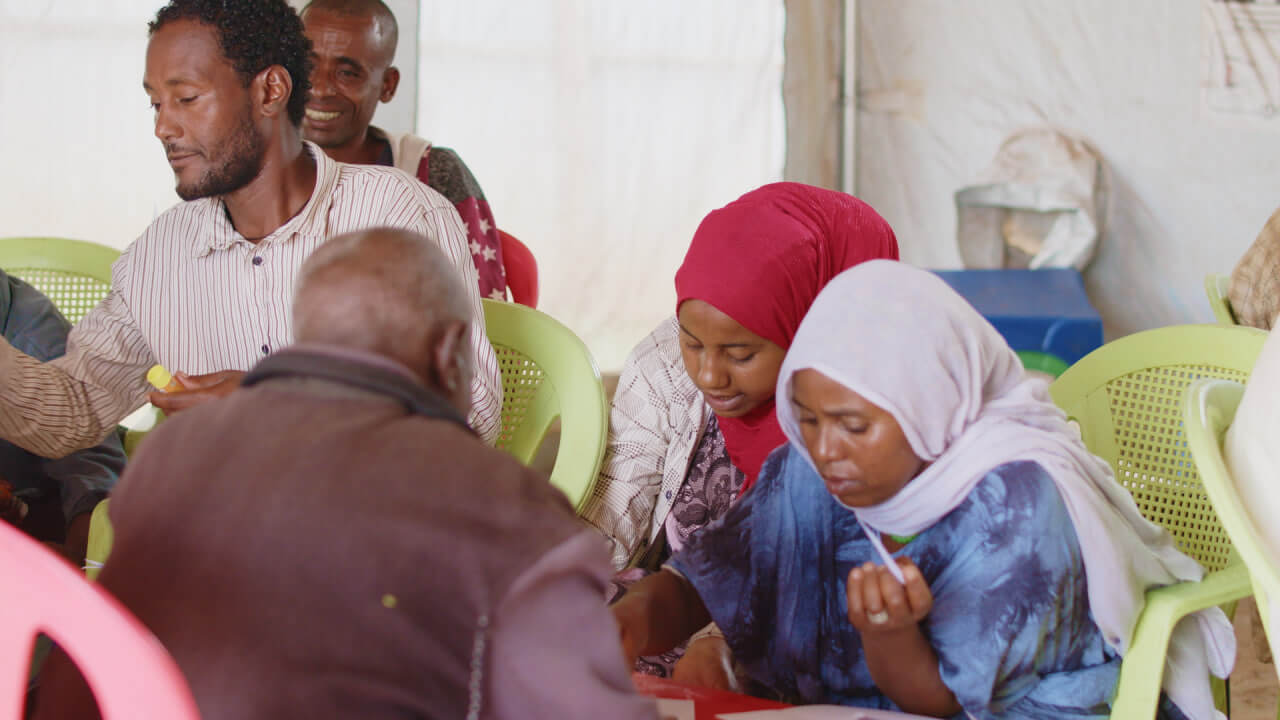
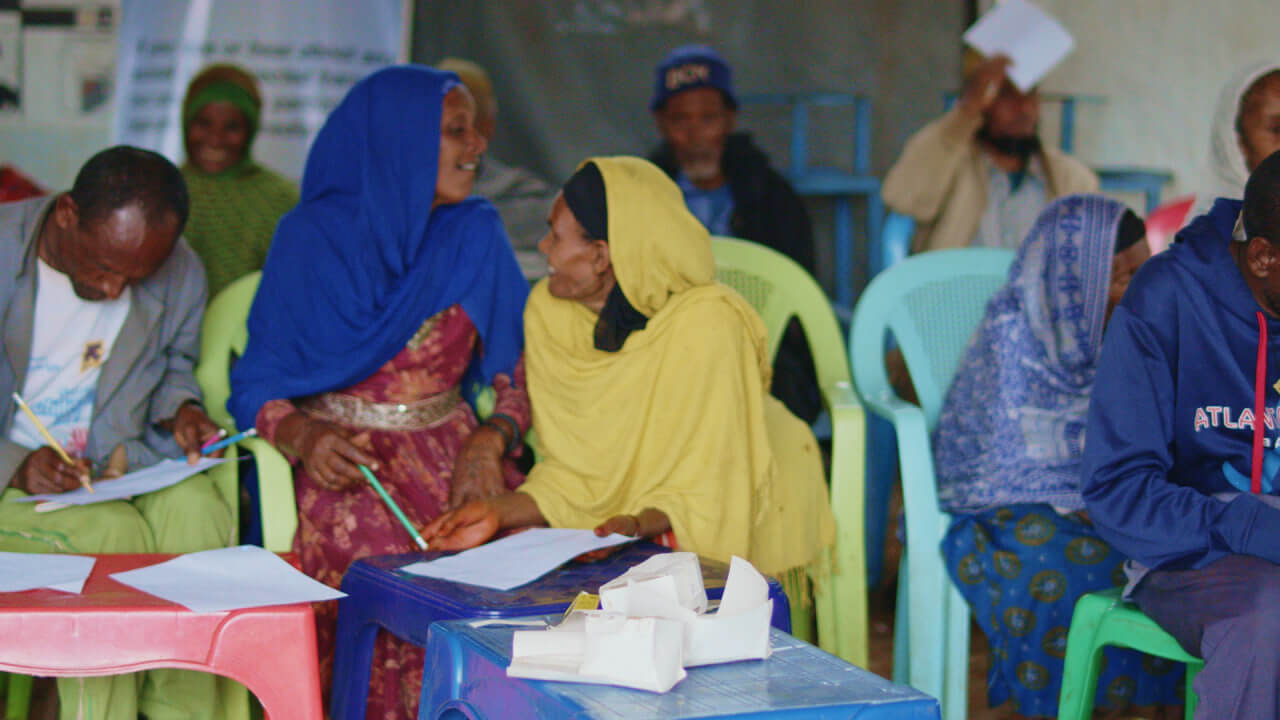
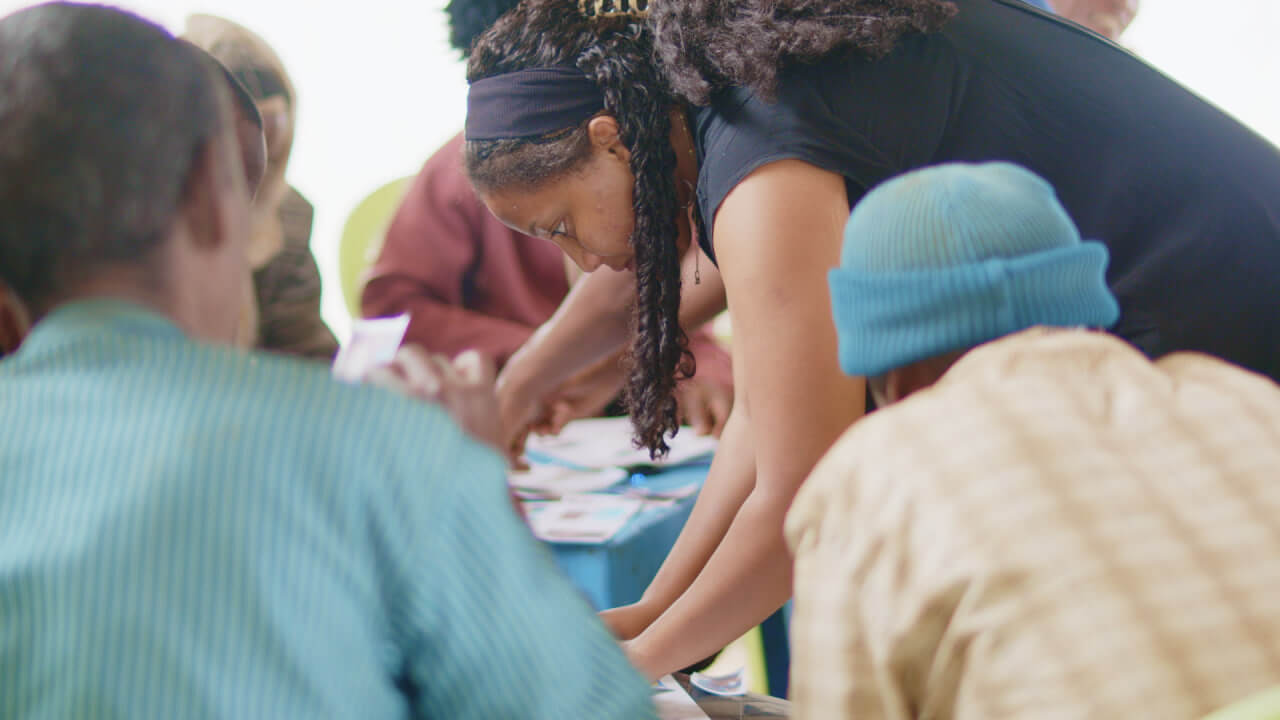
The HEAR Project integrates multiple art forms — including clay modeling, painting, storytelling, drama, movement, and craft — to create safe spaces where survivors can express, process, and transform their experiences.
To evaluate and strengthen ACHC’s Expressive Arts Therapy approach as a trauma-healing intervention for conflict-affected communities.
Improve emotional expression and communication.
Create supportive community environments that foster shared healing.
Strengthen psychosocial assistants and psychologists in facilitating creative trauma interventions.
Build evidence for arts-based healing approaches in Ethiopia.
Evaluation of expressive arts therapy sessions
Nekemte, Diga, Arjo Gudetu
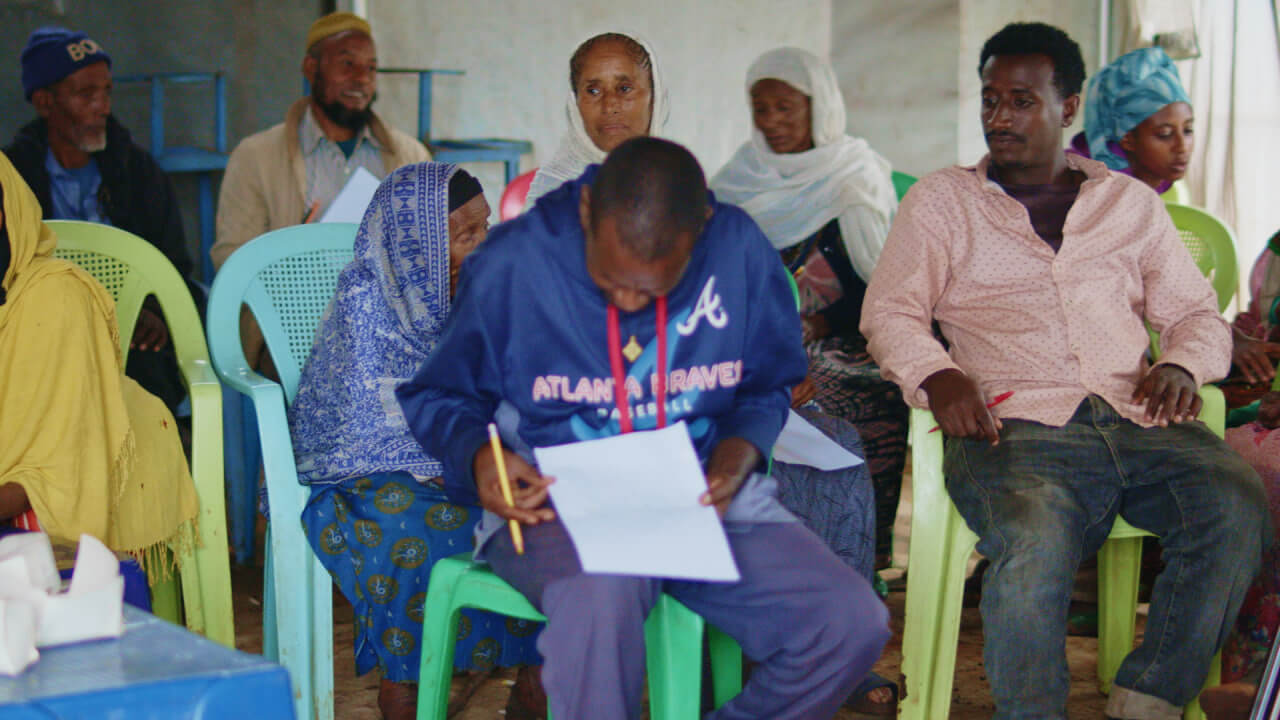
125 participants (IDPs + host community)
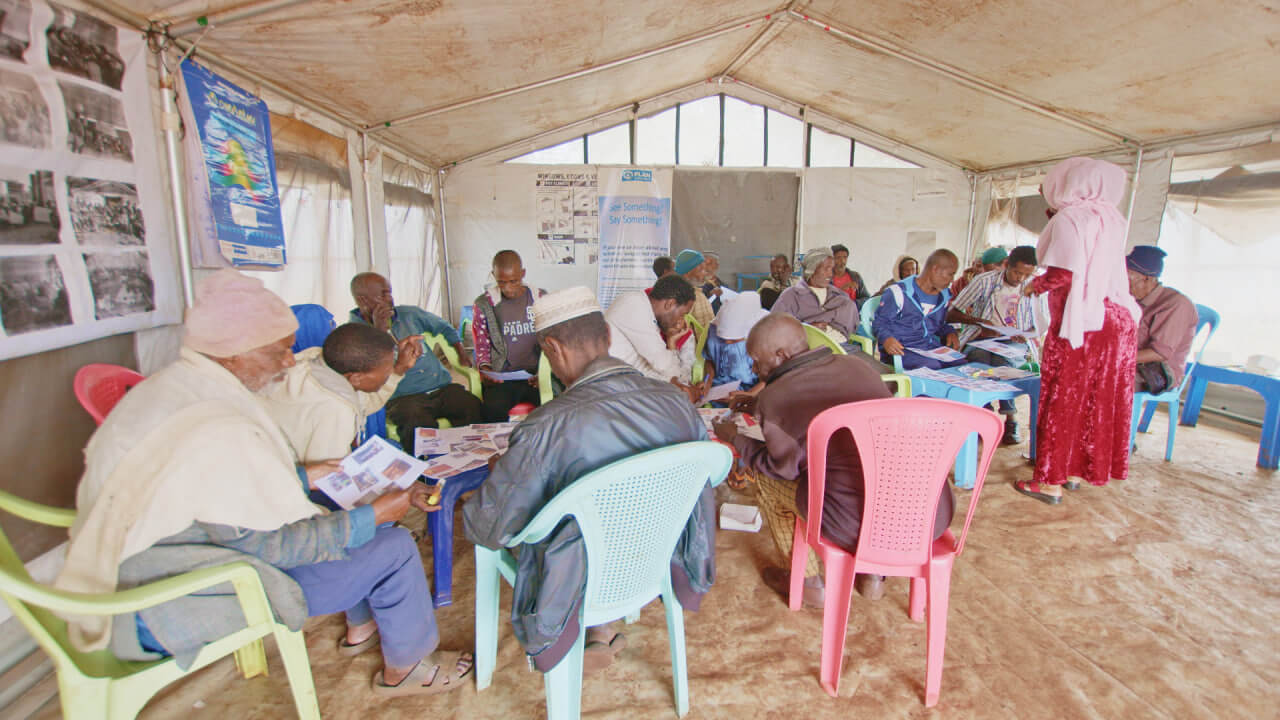
10 sessions, twice per week, 5 groups
PTSD Checklist (PCL-5)
Beck Depression Inventory (BDI)
SERATS (Self-Expression and Emotion Recognition Tool)
Facilitated by 3 psychologists + 5 psychosocial assistants trained by ACHC. All participants engaged only after consent and pre-session assessment.
Evaluation forms adopted from the Global Brain Health Institute and refined by senior Atlantic fellows were used. Facilitators completed evaluation forms for each patient after eight sessions.
Many trauma survivors lack basic needs (food, shelter, clothing). Their emotional bandwidth is impacted by ongoing survival stress. Expressive arts therapy creates respite — a moment of relief in overwhelming circumstances.
The method focuses on process, not outcomes — allowing organic healing. Participants are not passive subjects; they co-create the healing space. Creative activities reveal emotions that talk therapy alone cannot access.
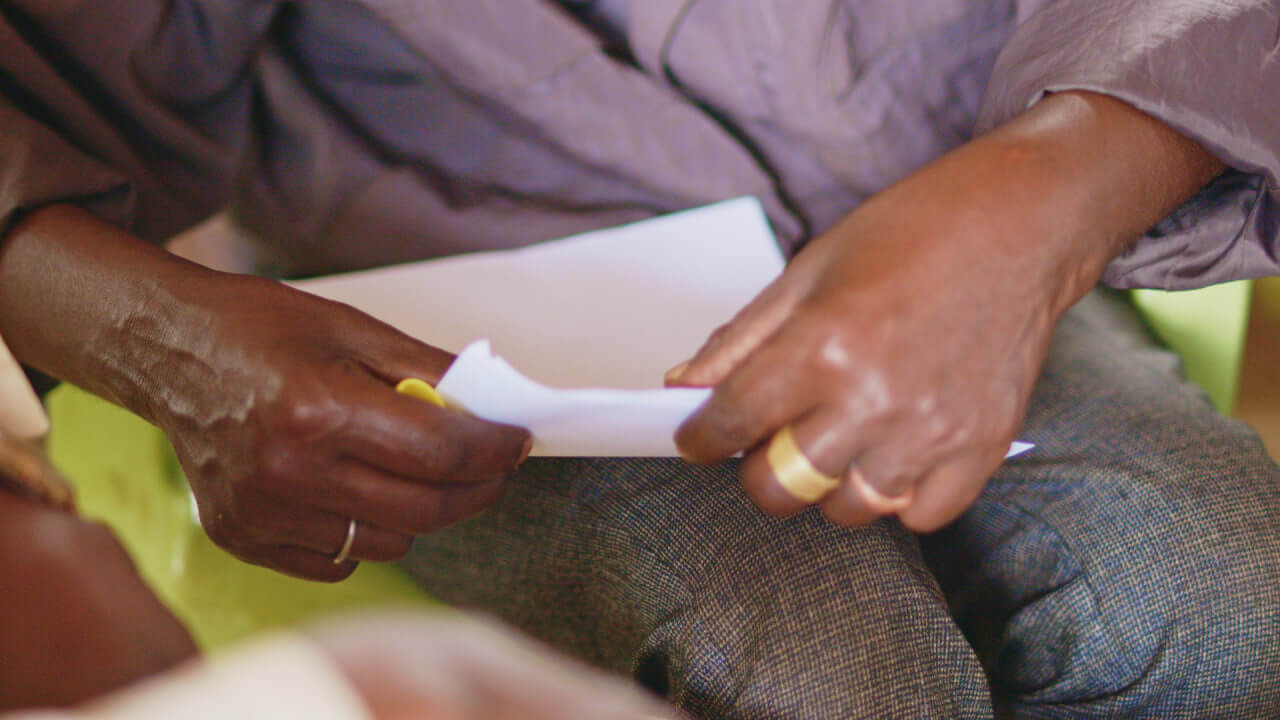
Participants explored texture, childhood memories, and flexibility as a metaphor for emotional resilience. Through shaping clay, they learned to shape their thoughts and process complex emotions.
Copying objects strengthened focus, attention, and confidence. This grounding activity helped participants build emotional regulation skills.
Participants named emotions, linked feelings to memories, and assigned colors to create personal emotion wheels. This process helped them gain clarity on their emotional landscapes.
" Most of the time, I don't feel emotionally at ease; suicide is something I frequently consider; I have never pondered the source; I'm just unhappy. Now that I've had the time to reflect on when I've been sad and why, I've learned to ask myself why I'm feeling the way I do and try to figure out why. Every day I making improvement.”
— Program Participant
Participants created boxes to “protect what matters,” discovering symbolism around safety, memories, and emotion. This creative metaphor helped them reclaim agency and hope.
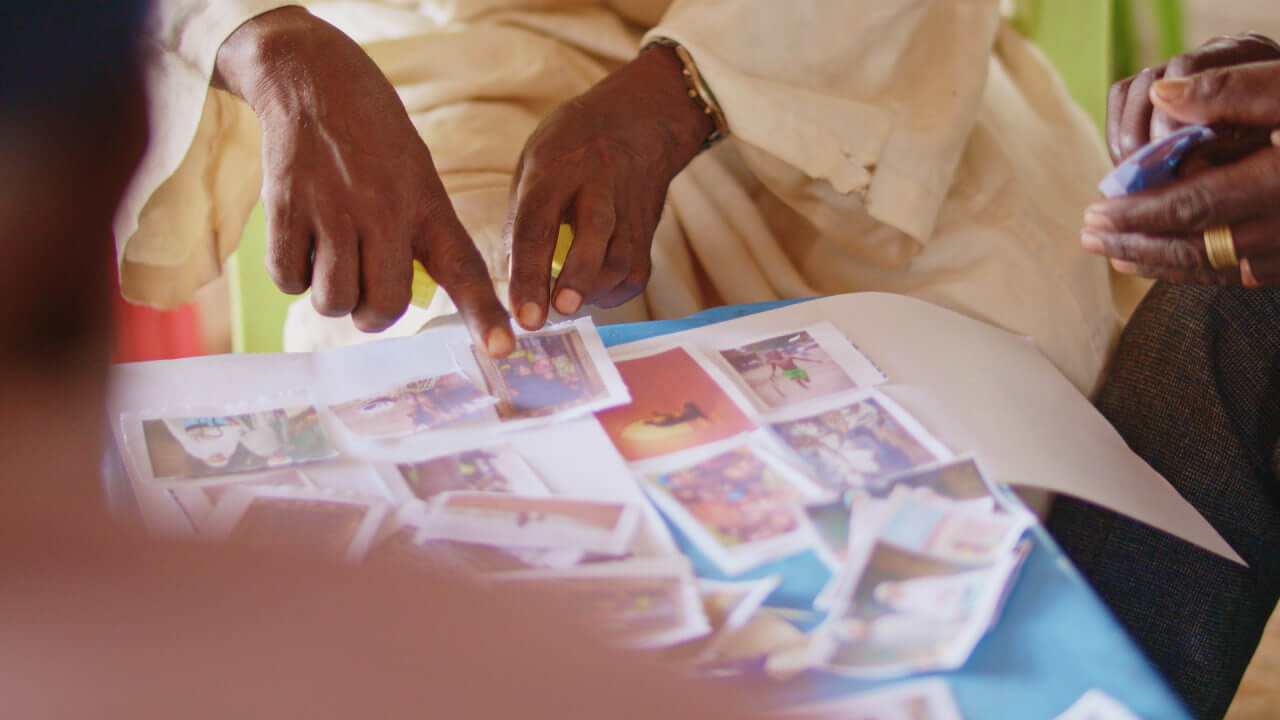
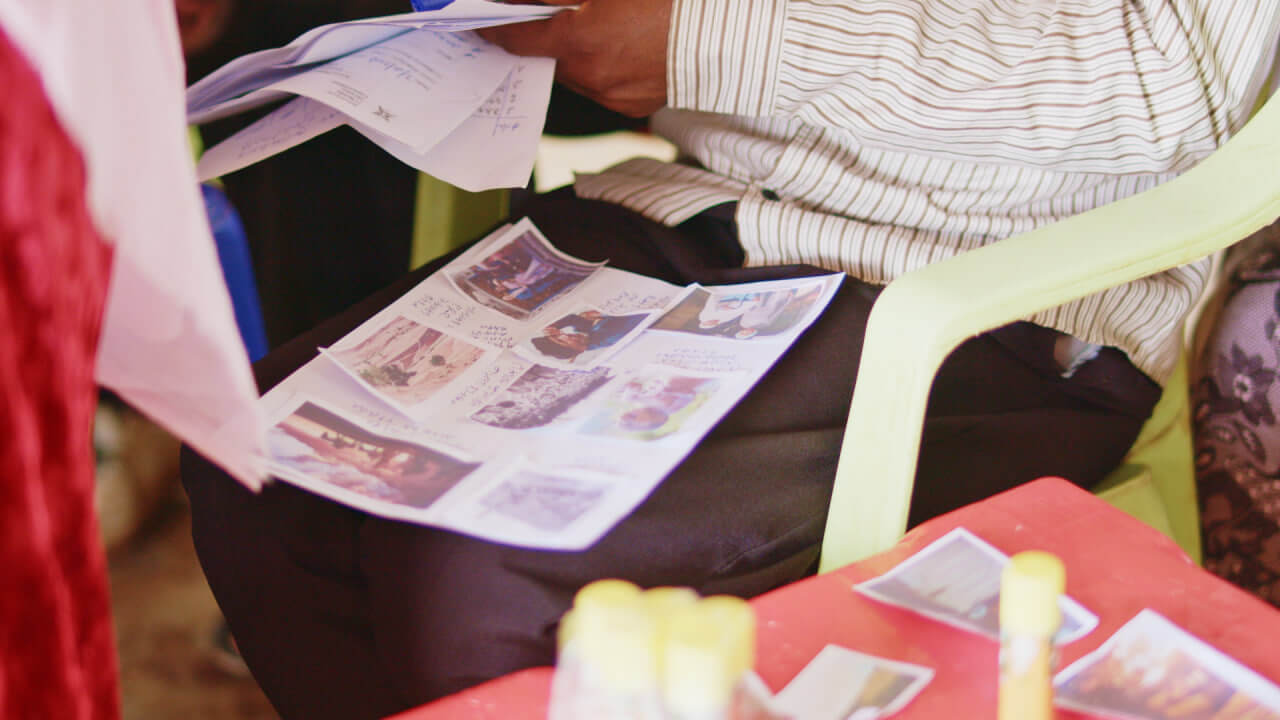
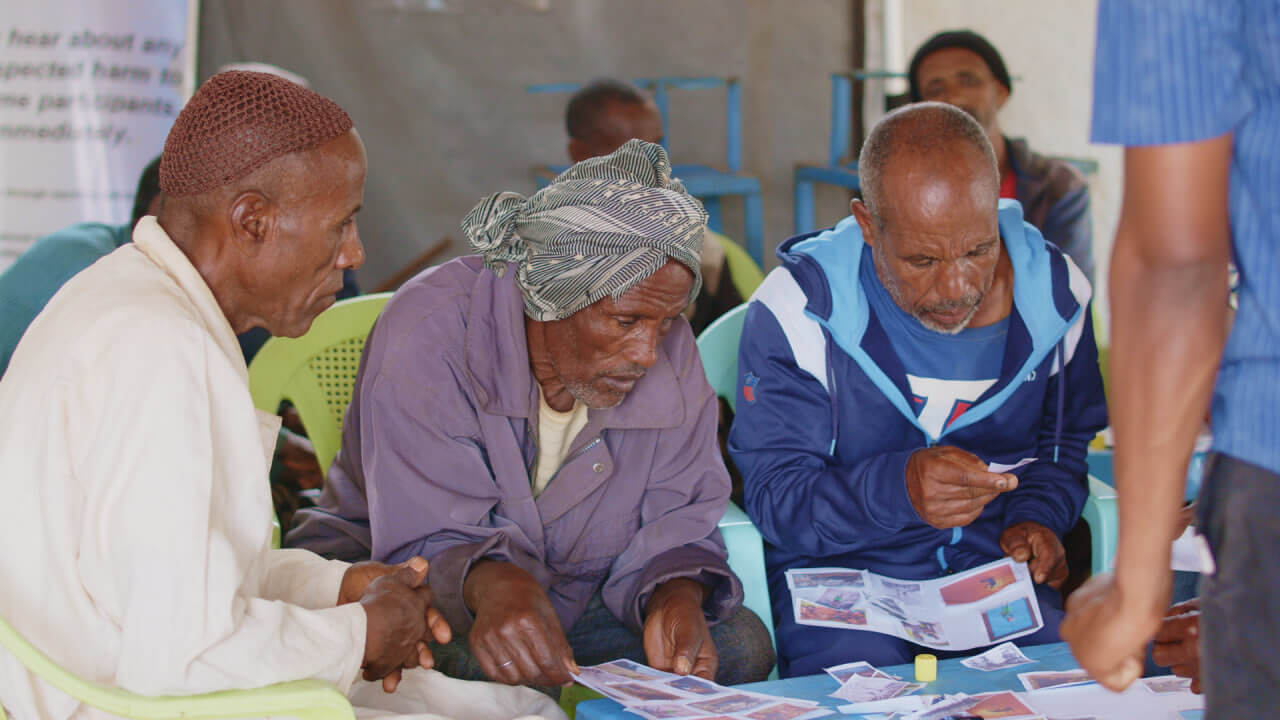
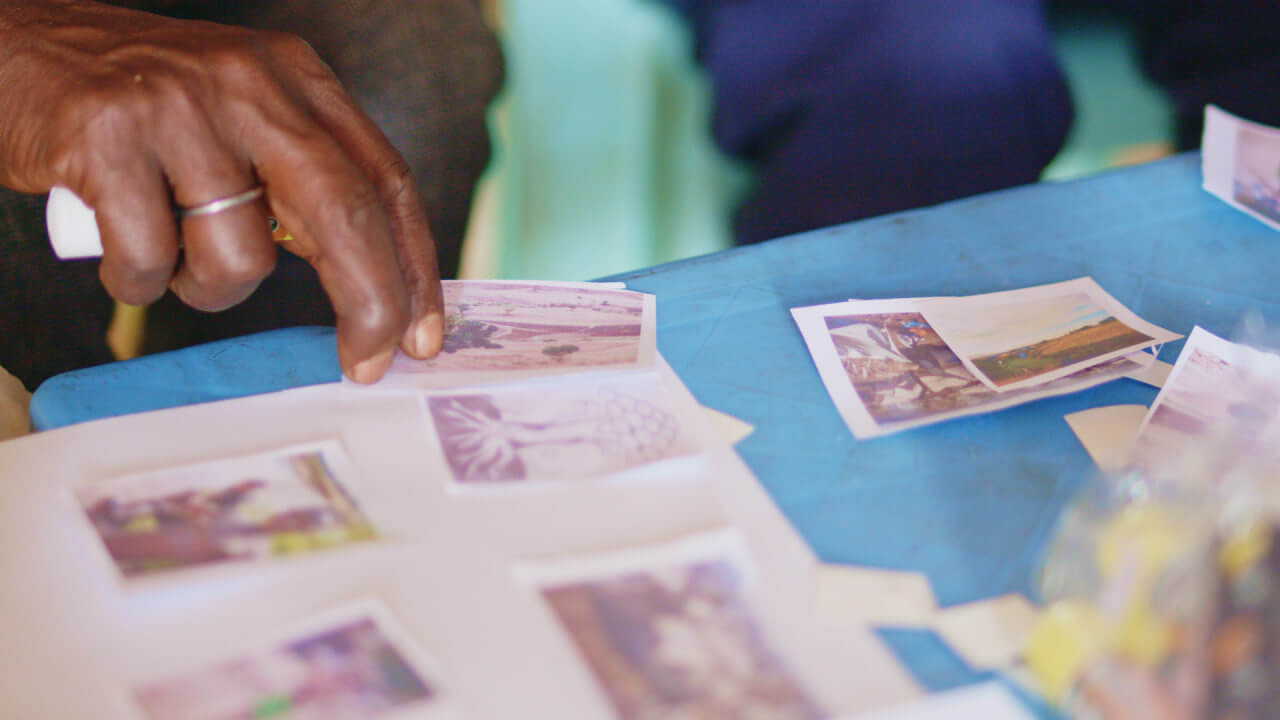
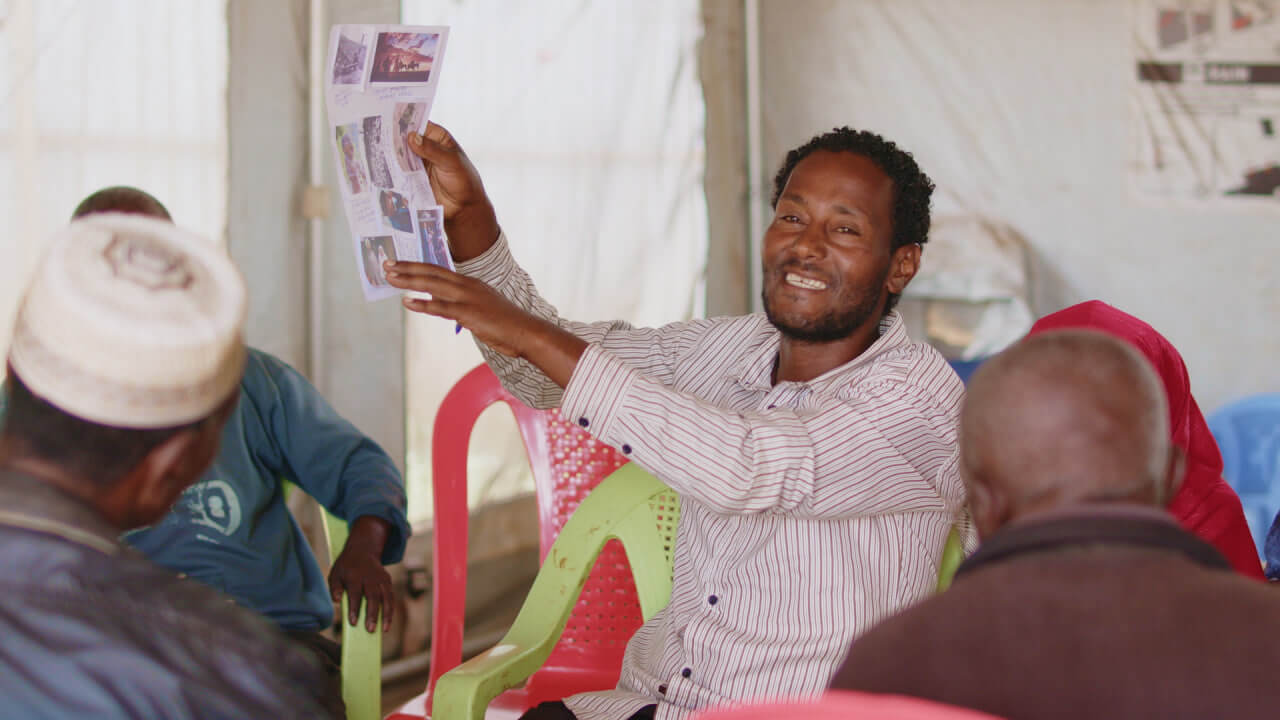
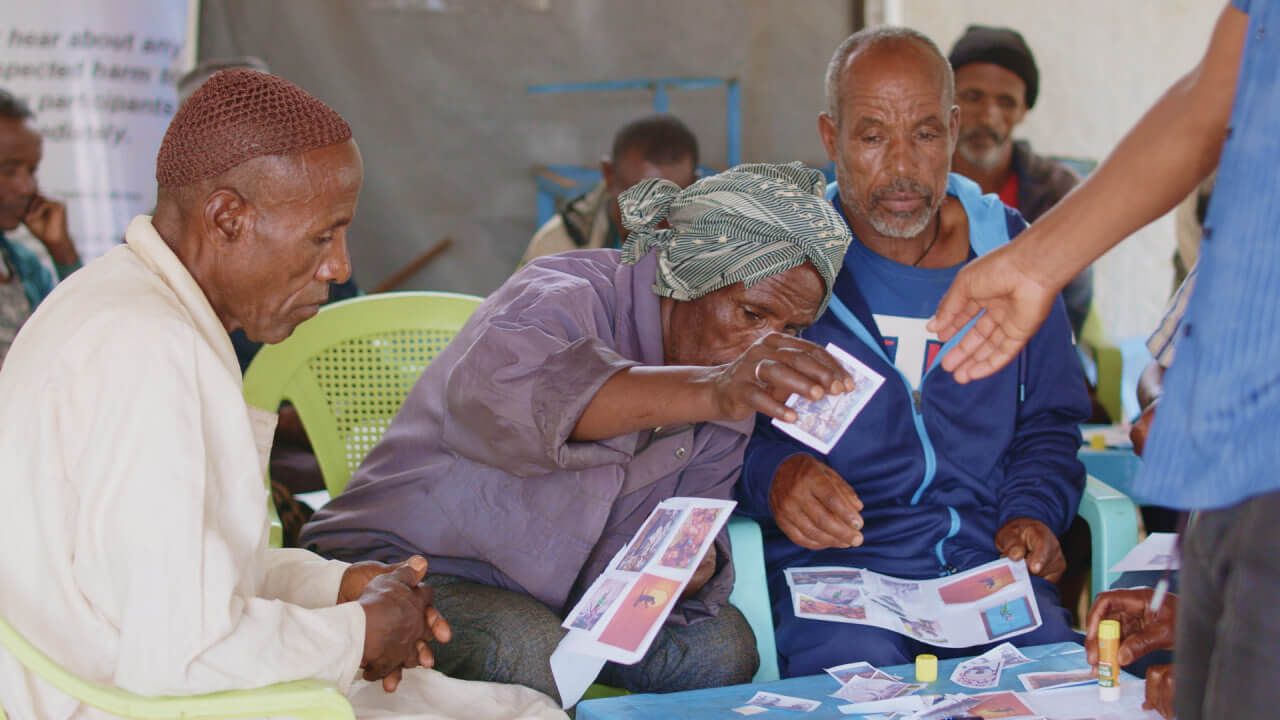
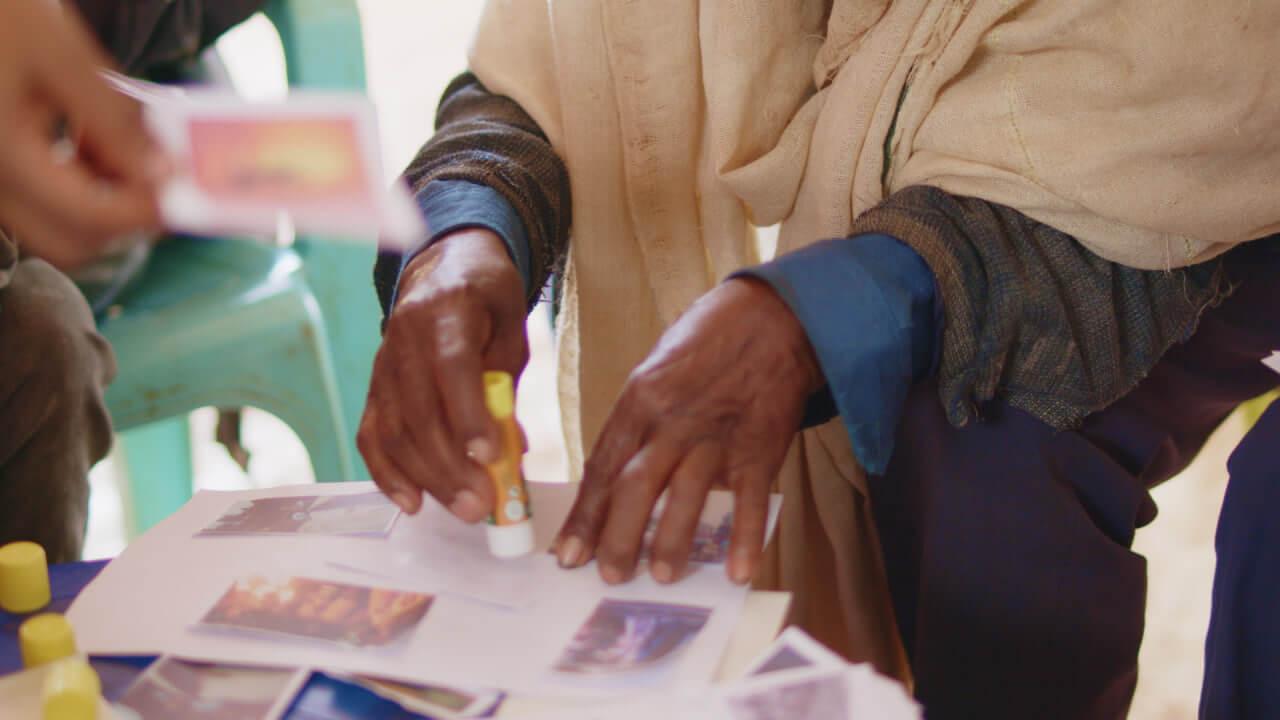
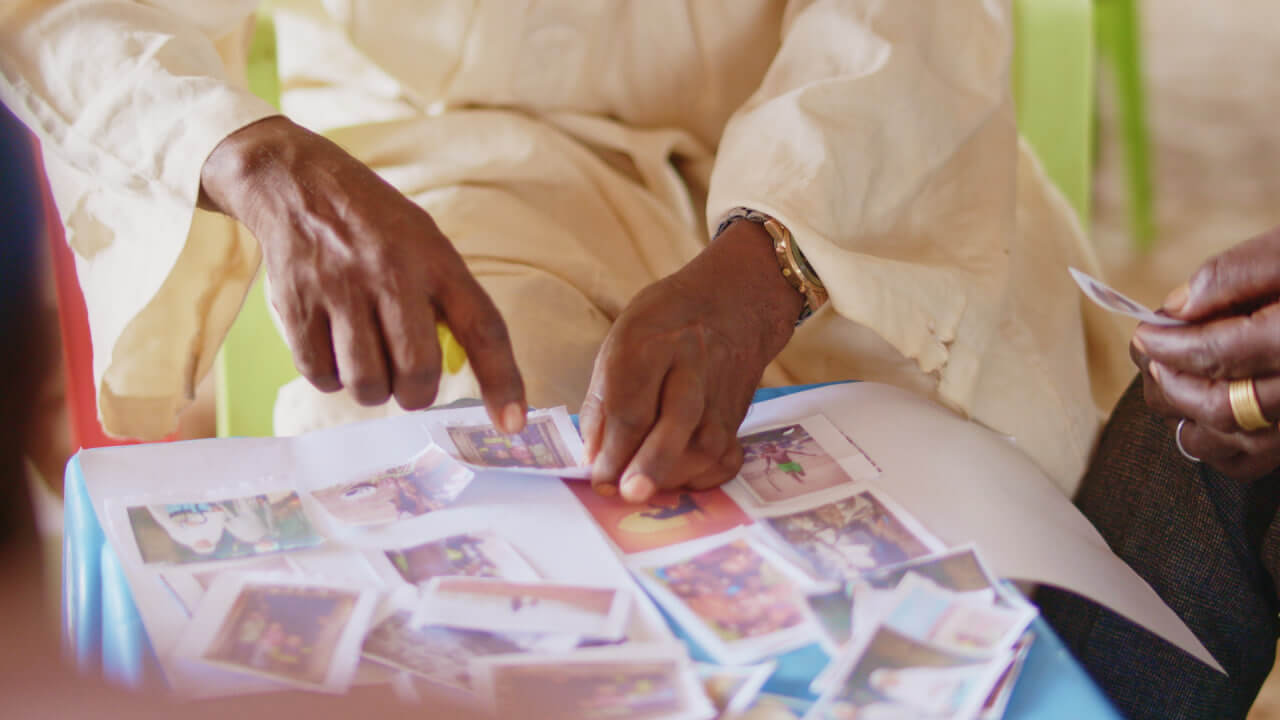
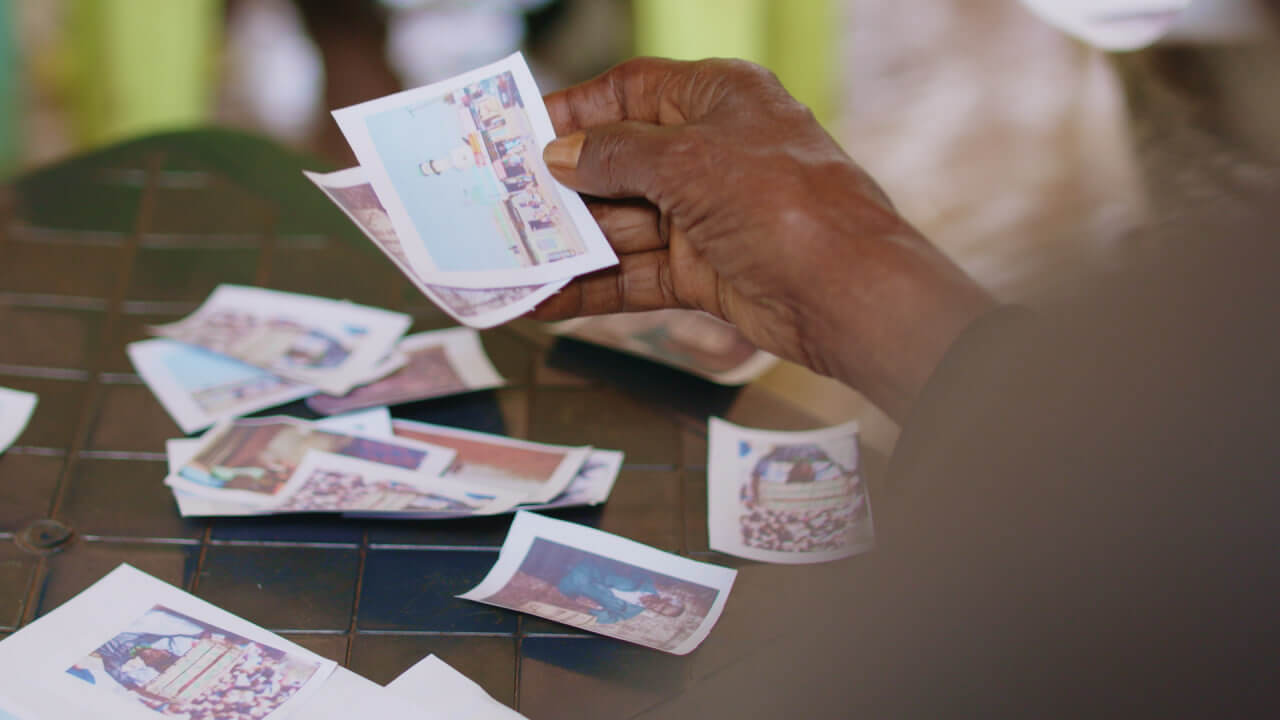
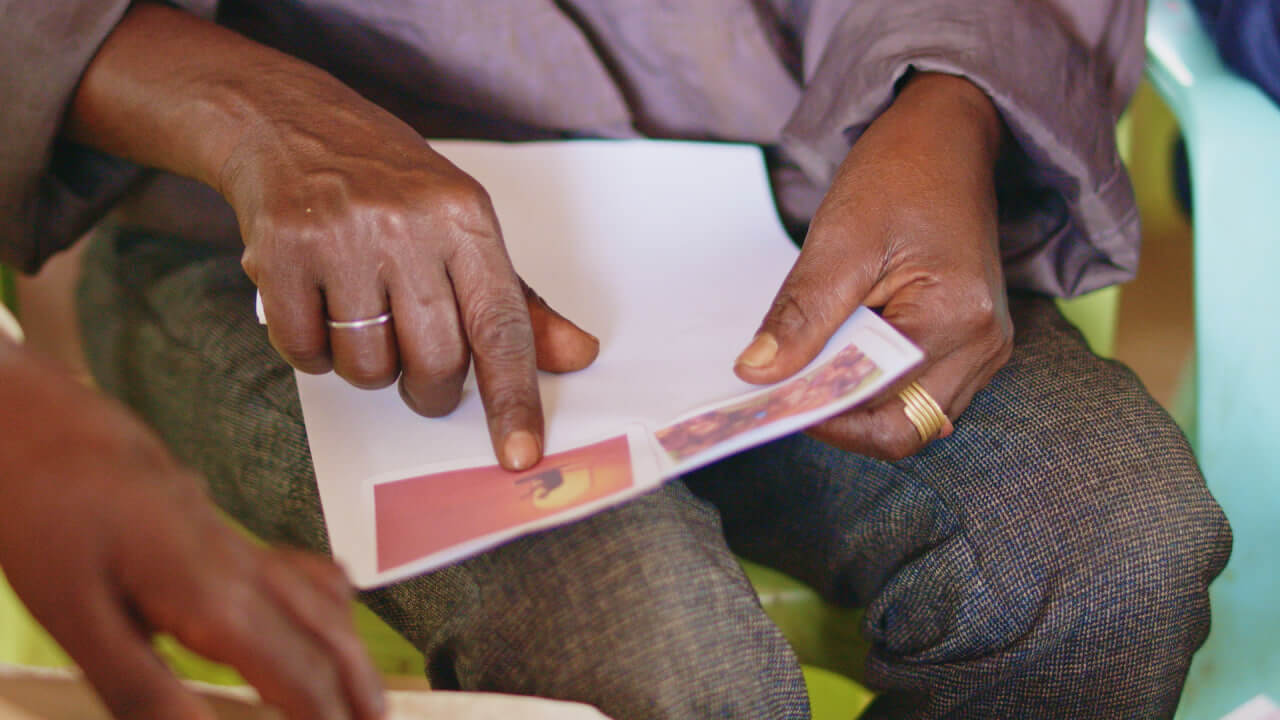
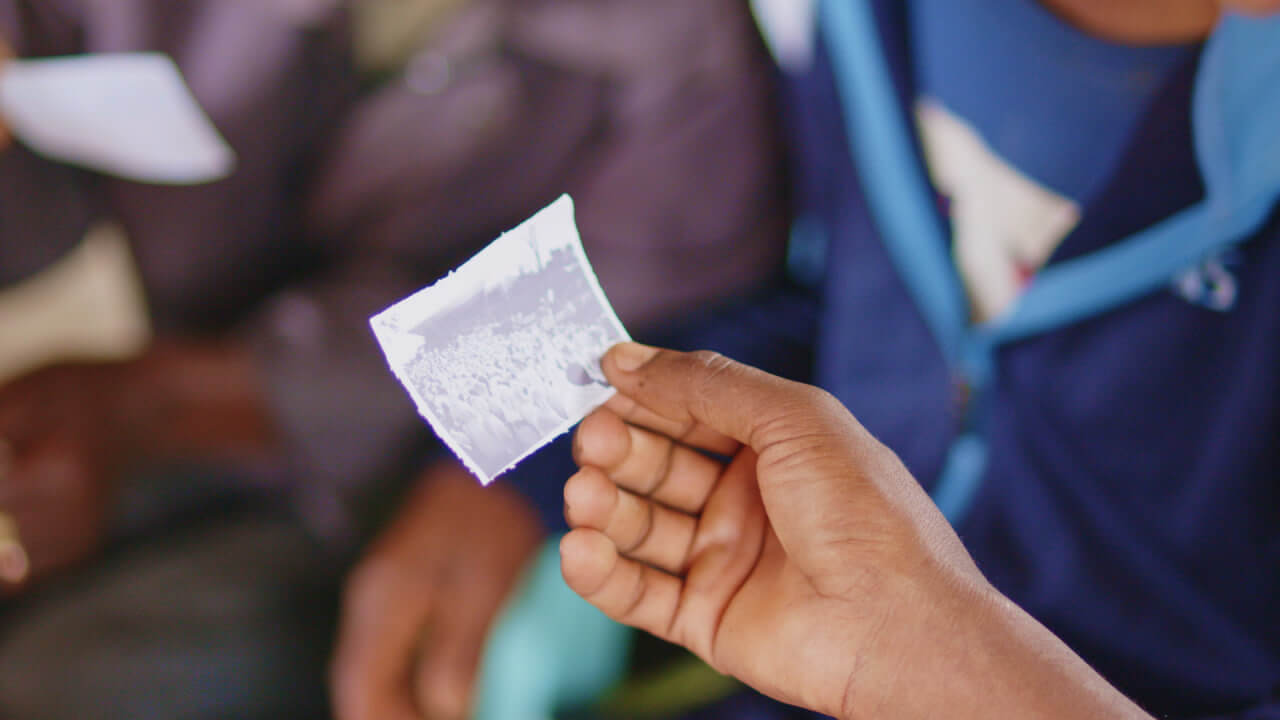
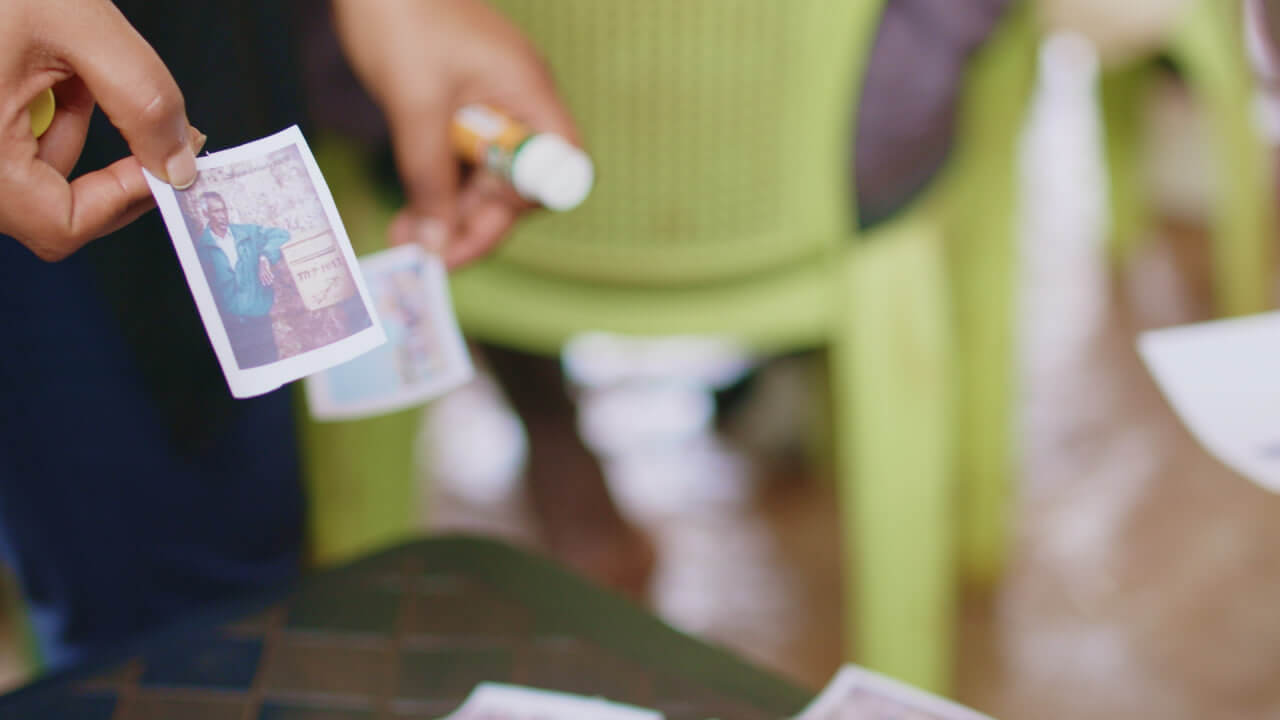
One of the most emotional sessions. Participants selected photos and narrated memories, triggering deep processing of grief and resurfacing long-suppressed stories. Sharing stories became an act of reclamation.
A first-time experience for many. Participants explored painting as self-expression and left with canvases symbolizing hope, forgiveness, and resilience — tangible reminders of their healing journey.
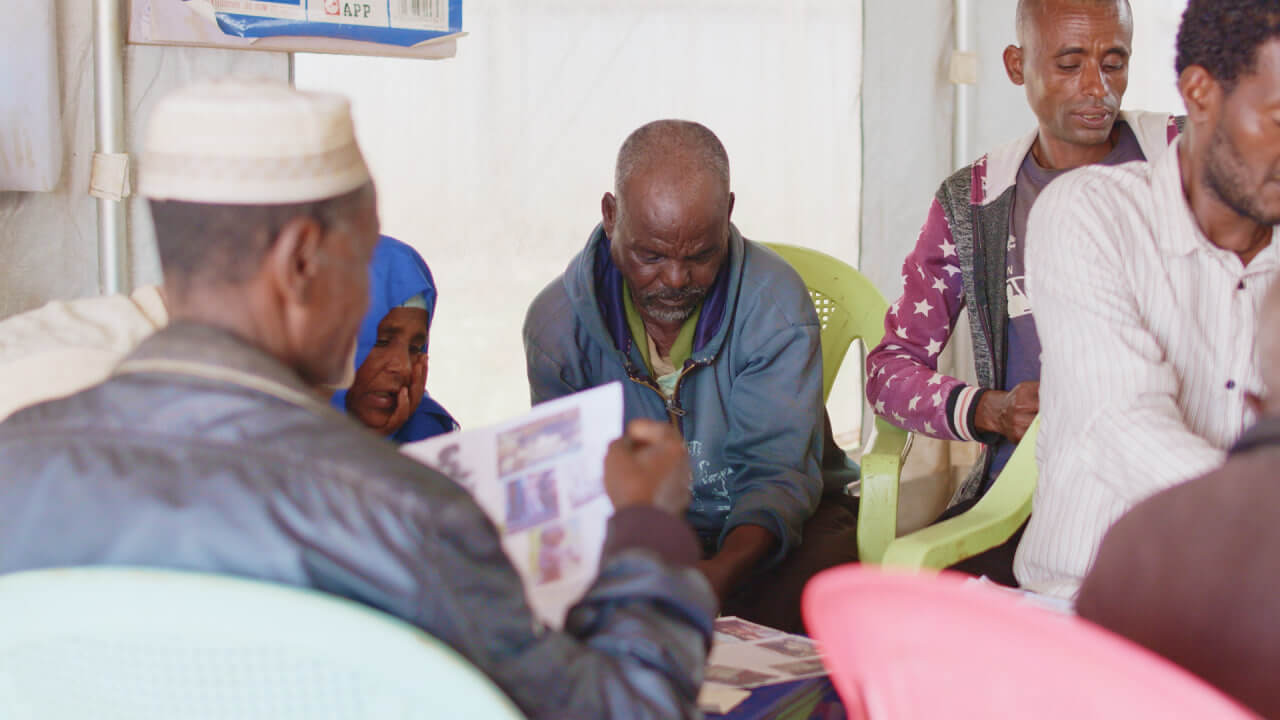
Strengthened social cohesion and trust between groups, creating bridges between IDPs and host communities.
Play relieves emotional tension. Creative expression offers temporary escape from survival stress. Yet we recognize an important truth:
Trauma healing is limited when basic needs are unmet.
Health complications and poverty affect participation. Facilitators experience emotional burden and require support. Sustainable healing requires multi-sector collaboration: health, shelter, food, and protection must work together.
Art heals, but it cannot fix poverty. Trauma healing must be holistic.
Pre-intervention Mean
Post-intervention Mean
Pre-intervention Mean
Post-intervention Mean
Art helped participants regain dignity, connection, and emotional voice
Storytelling and painting strengthened social bonds
Creative expression succeeded where talk therapy often fails
Art has the power to heal individual wounds and rebuild communities.